Oil Markets Edge Higher After Days of Attacks in Persian Gulf
Context mode is active. Hover over any highlighted term to see its definition. Click a nested term to go deeper.
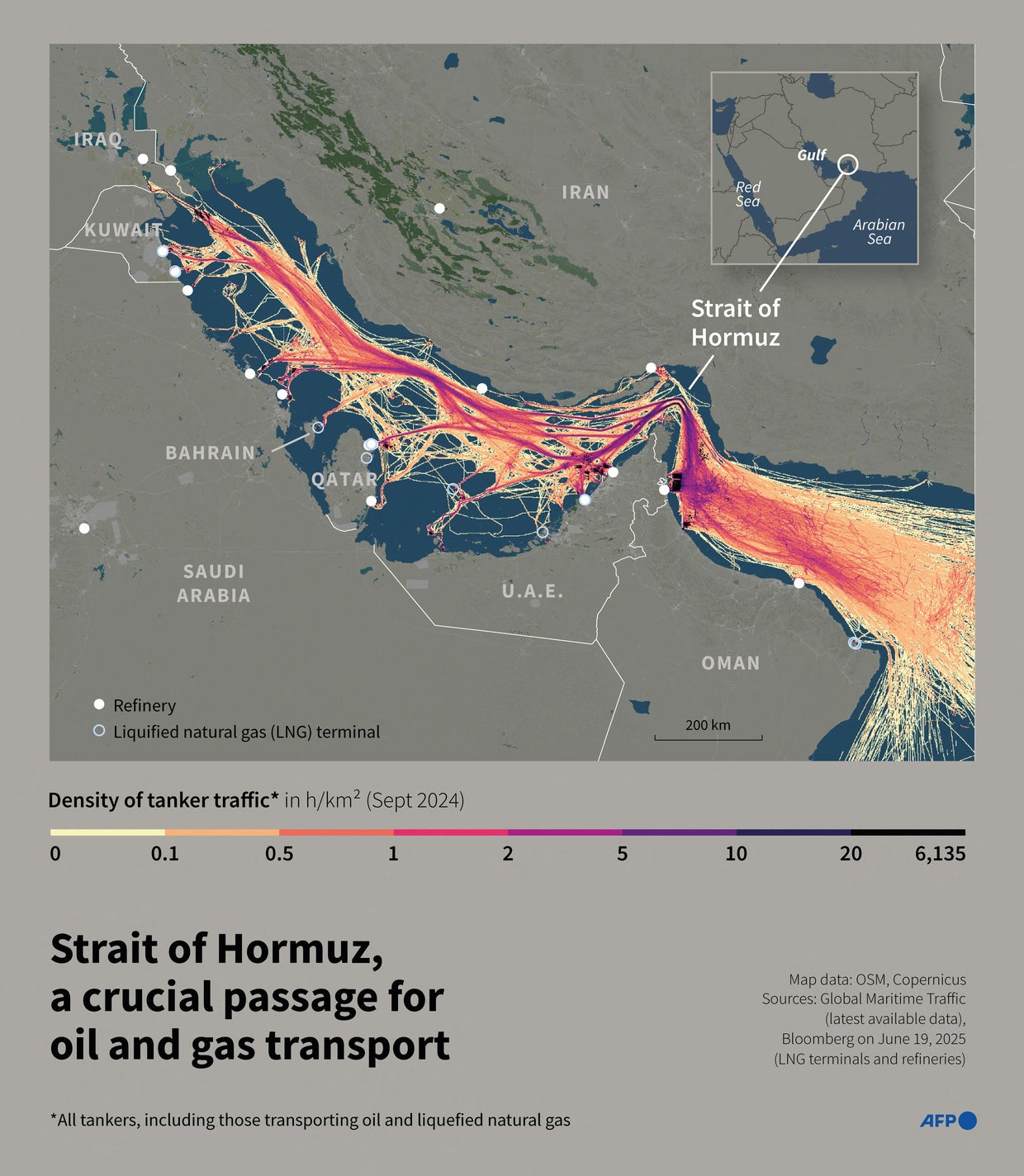
Oil prices are ticking up this Monday morning after a tense weekend of renewed tit-for-tat strikes between the United States and Iran in the Persian Gulf, which had once again disrupted crucial shipping routes through the Strait of Hormuz. Despite the recent escalation, which included attacks on commercial vessels, both nations have reportedly agreed to pause hostilities and are set to resume peace talks, helping to calm broader market jitters and pushing S&P 500 futures modestly higher. These attacks have put the fragile interim peace deal, signed in late February following the US-Israeli war on Iran, under severe strain, with several commercial vessels, including the 'Ever Lovely' and 'M/T Kiku,' being targeted since Thursday. The Strait of Hormuz, a narrow chokepoint responsible for a significant portion of global oil and liquefied natural gas trade, saw shipping traffic slow down as a result, triggering immediate concerns over energy supply. Meanwhile, Saudi oil giant Aramco only recently resumed crude loadings at its massive Ras Tanura terminal after a nearly four-month halt, underscoring the region's delicate balance. Looking ahead, markets will be closely watching the planned resumption of US-Iran peace talks in Qatar on June 30, which could dictate whether the current calm holds or if further escalations emerge. While the immediate market reaction suggests a belief that the conflict remains contained, any sustained disruption to energy shipping or expansion of hostilities – possibly involving Houthi rebels in the Red Sea – could rapidly increase the geopolitical risk premium and send global oil prices spiraling.