Oil Markets Jitter as Red Sea Attacks and Kazakhstan Outage Squeeze Global Supply
Context mode is active. Hover over any highlighted term to see its definition. Click a nested term to go deeper.
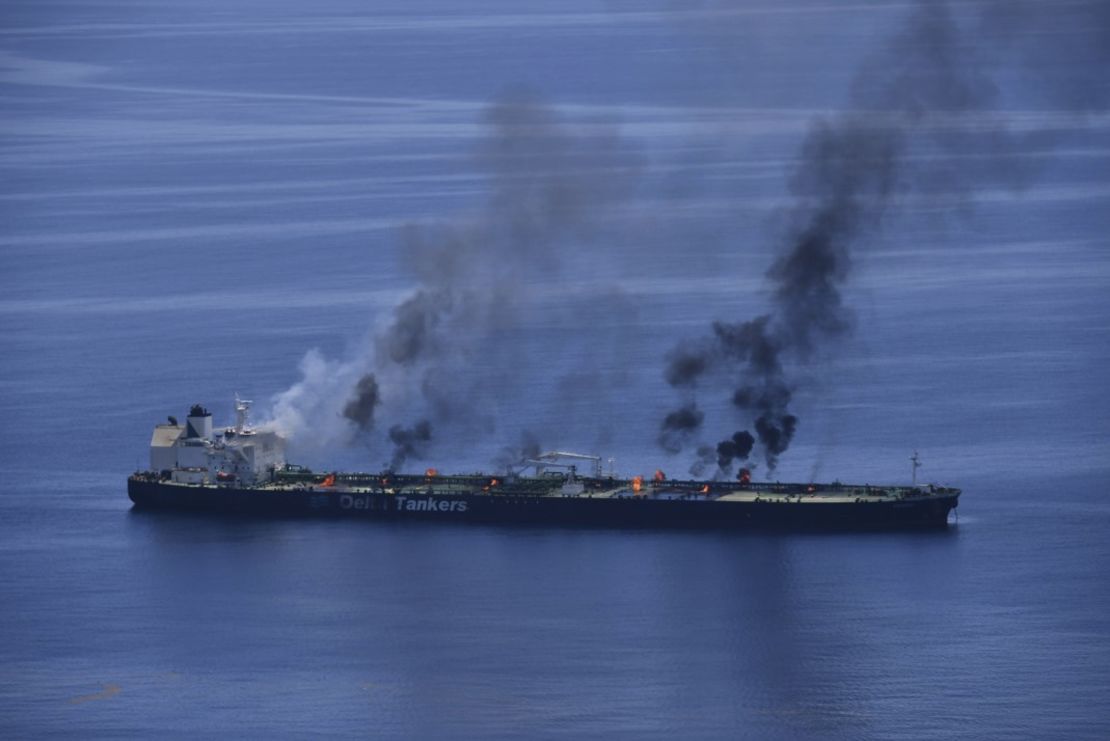
Global oil markets are on high alert as a fresh wave of Houthi attacks on Saudi oil facilities in the Red Sea, coupled with a significant production drop from Kazakhstan due to drone strikes, threaten an already fragile supply chain. Brent crude prices, though recently falling below $90 a barrel after nearing $100 just days ago, remain highly volatile, reflecting deep anxiety over energy security amid ongoing geopolitical turmoil. This dual blow further intensifies the challenges for major oil importers, especially in Asia, which rely heavily on these disrupted routes. The latest Houthi strikes, targeting crucial Saudi ports like Yanbu, are particularly concerning as the Red Sea route has become a critical 'Plan B' for crude shipments, bypassing the heavily disrupted Strait of Hormuz, which has seen limited traffic since the US-Iran conflict began in early 2026. Simultaneously, Kazakhstan's oil output has plunged by as much as 21% after drone attacks hit the Caspian Pipeline Consortium (CPC) terminal in the Black Sea, forcing the country to cut production. These events compound earlier disruptions and highlight the interconnected vulnerabilities of global energy infrastructure to regional conflicts and attacks. Looking ahead, market watchers are closely monitoring the de-escalation efforts in the West Asia war, particularly the fragile pause in US-Iran strikes, as well as any further actions by OPEC+ nations, which recently agreed to modest output increases for July and August 2026. The coming weeks will determine whether the recent price dips signal a true easing of tensions or merely a temporary reprieve before another surge, with continued threats to vital shipping lanes posing a constant risk to global economic stability.