Oil Prices Plunge as Hormuz Flows Normalize, OPEC+ Boosts Supply Amid Weak Demand
Context mode is active. Hover over any highlighted term to see its definition. Click a nested term to go deeper.
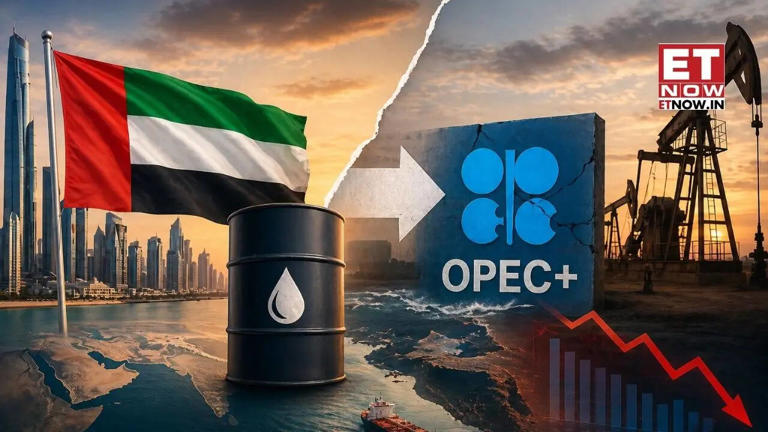
Global oil markets are experiencing a sharp downturn, with Brent crude dipping below $73 and WTI below $69 a barrel, returning to levels not seen since before the U.S.-Israel-Iran conflict erupted in late February. This dramatic price correction comes as the critical Strait of Hormuz largely normalizes its operations following an interim peace deal between the US and Iran, coupled with OPEC+ countries agreeing to further boost output. The rapid de-escalation of Middle East tensions has effectively evaporated the 'geopolitical premium' that sent prices soaring above $110 earlier this year, shifting market focus back to fundamental supply and demand dynamics. Contributing to this renewed bearish sentiment, the International Energy Agency (IEA) recently downgraded its 2026 global oil demand forecast, now expecting a 1.1 million barrels per day (bpd) decline due to higher fuel prices and a softer global economic outlook. Analysts from major banks like J.P. Morgan and Citi are now forecasting Brent crude could average around $60 a barrel by year-end, pointing to a structural supply glut exacerbated by increasing OPEC+ output and recovering Gulf exports. Traders will be closely watching upcoming inventory data and any shifts in global economic indicators, as a full recovery of shipping lanes and sustained demand remain key uncertainties in the months ahead.