Oil Surges as US-Iran Clash Intensifies, Threatening Global Energy Lifelines
Context mode is active. Hover over any highlighted term to see its definition. Click a nested term to go deeper.
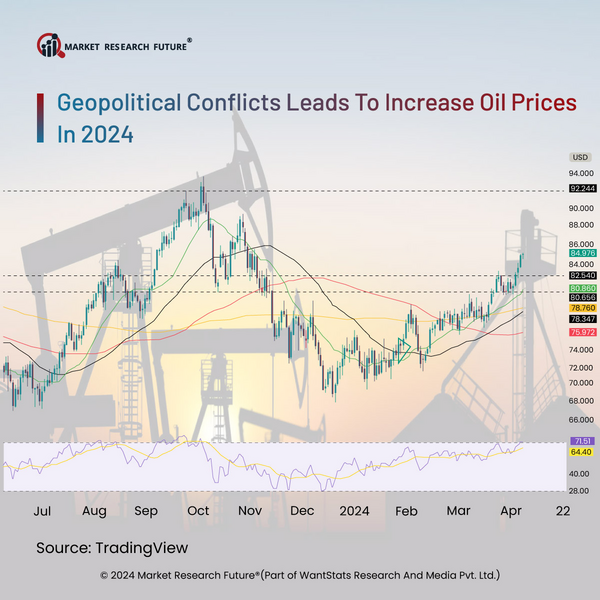
Global oil markets are on edge, with crude prices climbing for a fourth straight day, as escalating US military strikes against Iranian targets near the vital Strait of Hormuz have deepened fears of a wider conflict and significant energy supply disruptions. The latest US actions, a continuation of strikes that began earlier this week, come as Iran declares an 'existential war' with America, signaling a dangerous new phase in Middle East tensions. This dangerous escalation has ignited concerns over the Strait of Hormuz, the narrow waterway through which roughly one-fifth of the world's oil and liquefied natural gas passes, with reports indicating fewer vessels transited the choke point on Wednesday following the US reimposition of a naval blockade on Iranian ports. The renewed hostilities have shattered a fragile truce reached in June, pushing Brent crude futures to $85.28 a barrel and WTI futures to $80.02, both hovering near one-month highs. Adding to market jitters, US commercial crude oil inventories dropped by 1.7 million barrels last week, leaving stockpiles 6% below their five-year average for this time of year. Analysts are warning that WTI could climb further, potentially reaching $85-$87, if the conflict continues to intensify, with some projections even suggesting Brent could top $110 in the fourth quarter if Gulf export disruptions persist. The global community is now watching closely for any retaliatory moves from Tehran, especially potential actions by its Houthi allies to disrupt the Bab el-Mandeb gateway to the Red Sea, which would put yet another critical energy artery at risk and could fundamentally reshape global energy flows.