Oil's Shockwave: Middle East Conflict Sends Asian Markets and Global Bonds Spiraling
Context mode is active. Hover over any highlighted term to see its definition. Click a nested term to go deeper.
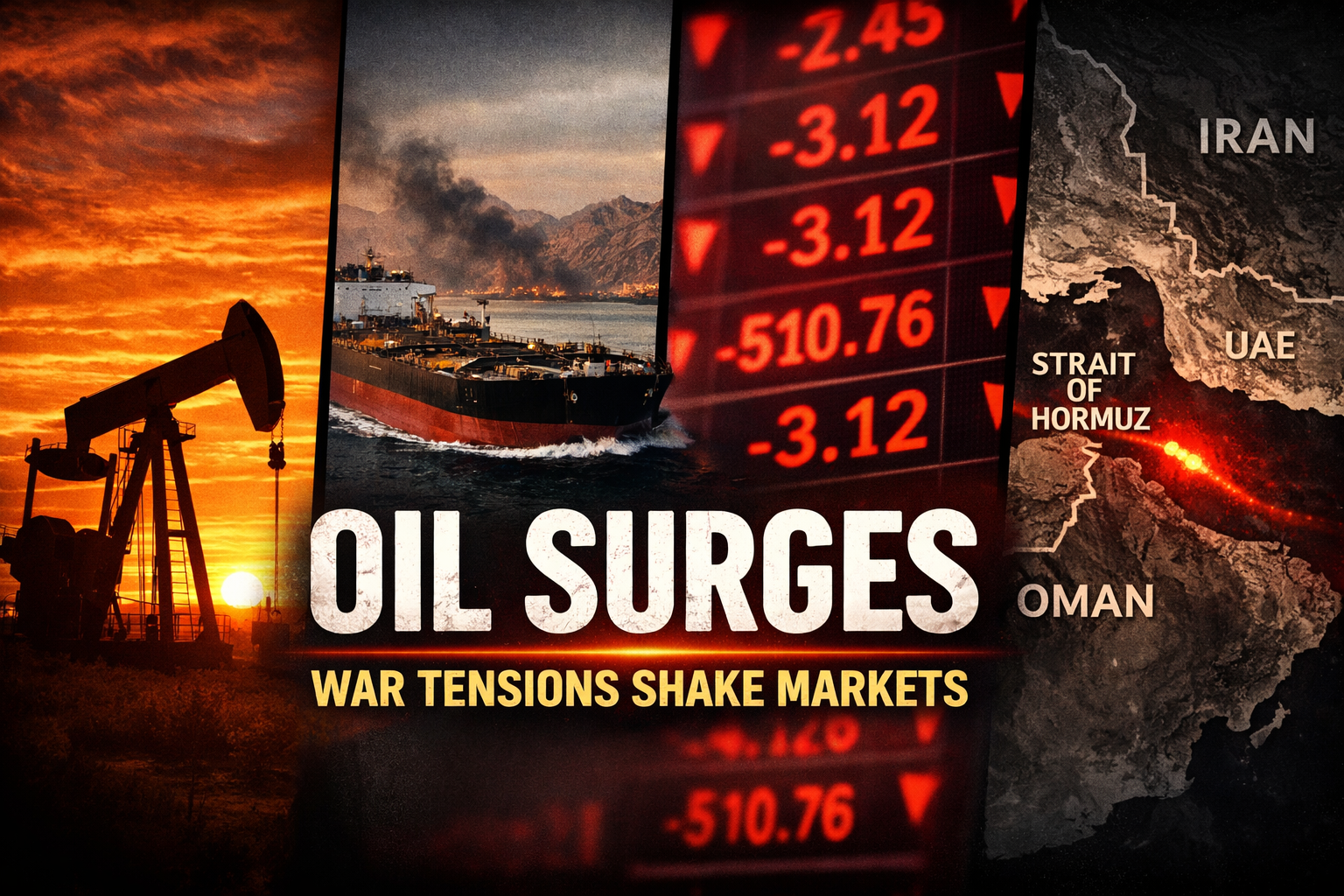
Asian stock markets are reeling, and global bond markets are in a chokehold today as Brent crude oil prices violently surge past $100 a barrel, fueled by the intensifying US-Iran conflict and Houthi attacks on vital shipping lanes. This dramatic oil spike is reigniting fears of persistent inflation, forcing central banks worldwide to reconsider their interest rate strategies and potentially abandon any thoughts of cuts. The ripple effect is immediately visible: South Korea's Kospi plunged nearly 6%, Japan's Nikkei 225 shed almost 3%, and other major Asian indices like Hong Kong's Hang Seng and the Shanghai Composite saw significant drops, while India's Sensex also traded lower. This isn't just a fleeting energy shock; it's a dangerous new phase in the Middle East conflict, with the Strait of Hormuz reportedly near-closed and Houthi attacks in the Red Sea threatening the Bab el-Mandeb Strait, jeopardizing two of the world's most critical oil chokepoints. Brent crude has soared roughly 40% this month alone, pushing global sovereign debt yields to multi-year highs as investors brace for central banks, especially the Federal Reserve, to keep interest rates elevated for longer. Market expectations now price in a significant chance of a Fed rate hike as early as next week, and a more than 70% probability by September, a sharp reversal from just days ago. The immediate outlook is fraught with volatility, as Asian economies, heavily reliant on oil imports, face mounting costs and a potential blow to growth. The International Energy Agency has warned that global oil markets are at risk of suffering the 'largest supply disruption in history' if the conflict continues to escalate. All eyes are on upcoming central bank meetings, where policymakers are now under immense pressure to address this renewed inflationary threat, with any further escalation in the Middle East poised to trigger an even deeper global economic downturn.