One in Three Adults Struggle with Basic Health Tasks, Volunteer Groups Step Up
Context mode is active. Hover over any highlighted term to see its definition. Click a nested term to go deeper.
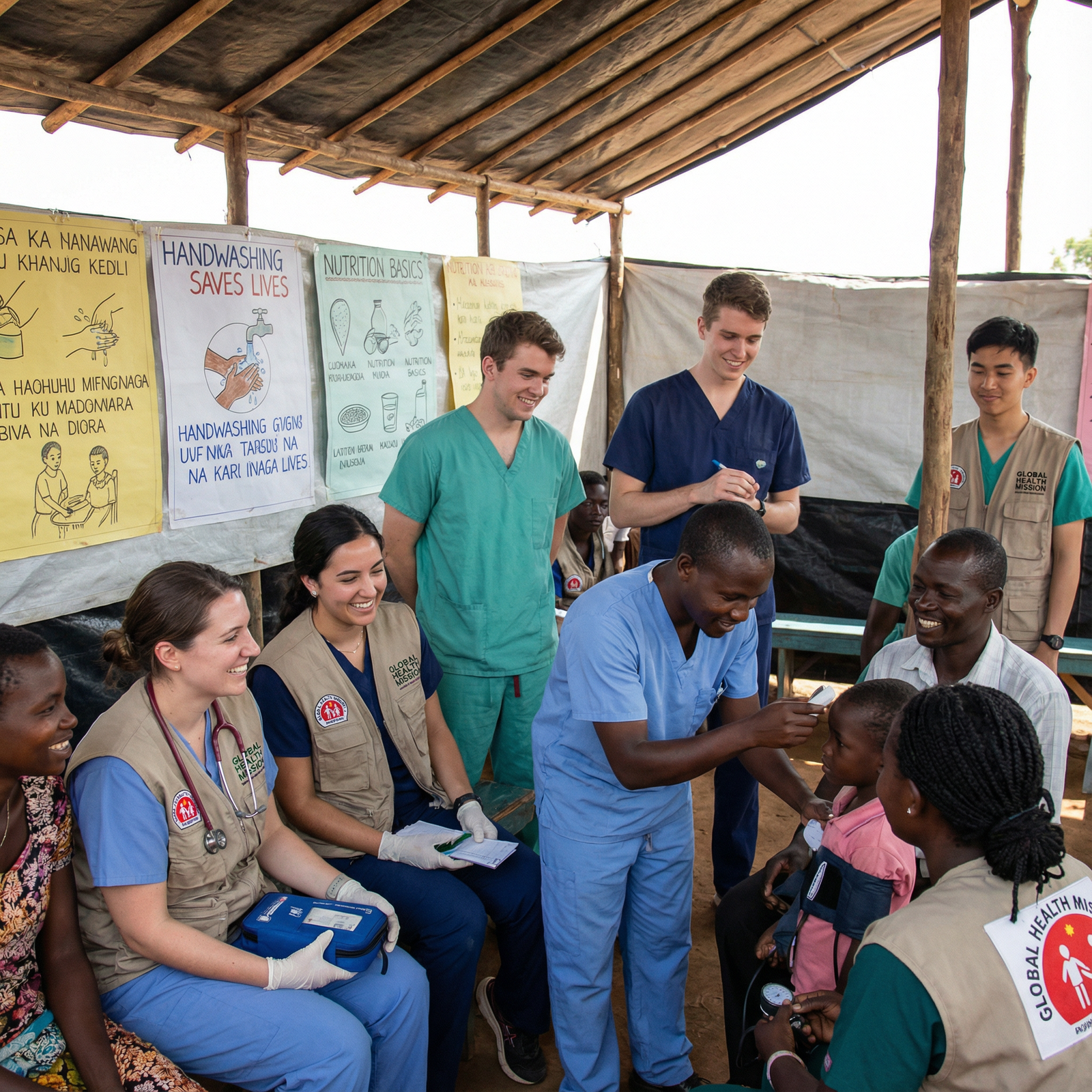
A recent study from Northwestern University has revealed a surprising and widespread challenge: one in three middle-aged adults in the United States struggle with fundamental health tasks, from correctly reading prescription labels to understanding medical forms. Published in June 2026, this research overturns previous assumptions by showing that health literacy gaps are not just an issue for older populations, highlighting a critical need for clearer health communication across all age groups. This alarming discovery underscores why volunteer groups are increasingly stepping up, launching new programs to help adults better navigate the often-complex healthcare system. Low health literacy is a global concern, directly linked to poorer health outcomes, delayed diagnoses, and significantly higher healthcare costs worldwide. Organizations like the World Health Organization (WHO) and initiatives such as Healthy People 2030 are actively pushing for systemic changes and support for individuals to effectively understand and use health information, recognizing it as a key driver of health equity. Looking ahead, expect to see more localized efforts, like those from the student-led Health Literacy Initiative (HLI) or various state-level collaboratives, focusing on practical workshops and accessible resources to bridge these understanding gaps. As October's Health Literacy Month rolls around, policymakers and healthcare providers are under renewed pressure to not only educate individuals but also to simplify systems, ensuring everyone has the tools to manage their health effectively. The push will be for a shared responsibility in making health information truly easy to understand and act upon.