OpenEvidence Surpasses 200 Million Consultations, Redefining Doctor-AI Collaboration
Context mode is active. Hover over any highlighted term to see its definition. Click a nested term to go deeper.
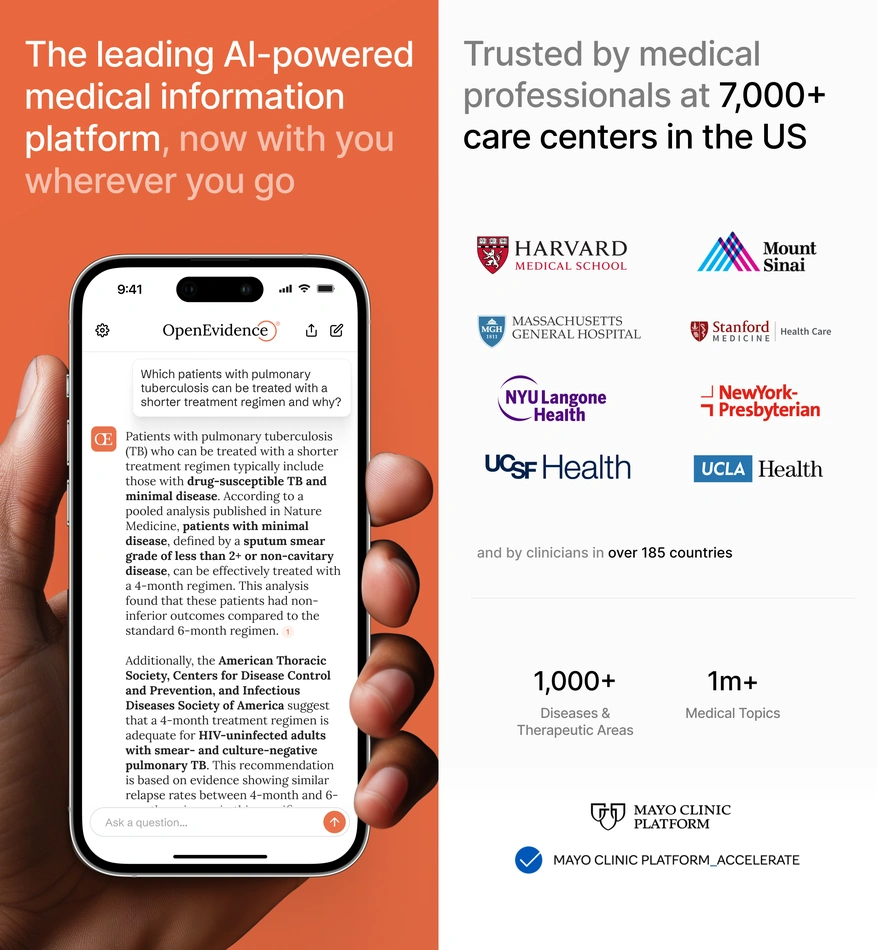
OpenEvidence has hit a staggering milestone, facilitating over 200 million AI-powered clinical consultations to date and recording an unprecedented 1 million interactions in a single day on March 10, 2026, marking a significant shift in how doctors access critical medical knowledge. This rapid adoption by nearly 65% of U.S. physicians underscores how artificial intelligence is transforming healthcare, moving from a novel tool to an essential 'brain extender' for clinicians making high-stakes decisions at the point of care. The company, valued at $12 billion following a January 2026 funding round, leverages a Large Language Model (LLM) trained exclusively on trusted peer-reviewed medical literature, ensuring evidence-based responses with clear citations. This approach directly contrasts with general-purpose AI, addressing concerns about accuracy and reliability in medical contexts. OpenEvidence business model, offering its platform free to NPI-verified clinicians and generating revenue from pharmaceutical advertising, has fueled its explosive growth but also sparked discussions around potential conflicts of interest, reminiscent of past controversies in health tech. Looking ahead, OpenEvidence continues to evolve, launching advanced features like EvidenceGrade for assessing research quality and expanding integrations with Electronic Health Record (EHR) systems through partnerships with major institutions like Cedars-Sinai and NewYork-Presbyterian. While facing increasing competition from rivals like Vera Health, the platform's focus on seamless clinical workflow integration and transparent, cited evidence positions it as a key player in the ongoing transformation of medical practice. The coming months will reveal how effectively it navigates the balance between rapid innovation, regulatory scrutiny, and the imperative for unbiased clinical support.