‘Operation Purgatory’: Magyar moves to demolish Orban system
Context mode is active. Hover over any highlighted term to see its definition. Click a nested term to go deeper.
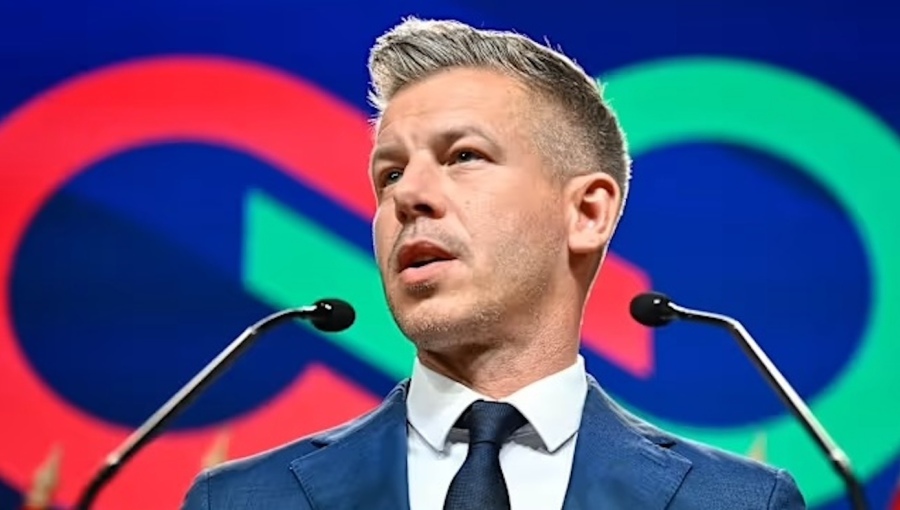
Hungarian Prime Minister Peter Magyar has unleashed 'Operation Purgatory,' a sweeping campaign aimed at dismantling the deep-rooted corruption and 'mafia system' left by his predecessor, Viktor Orban. Just weeks into office, Magyar's government is setting a rapid pace of reform, lifting old EU blockades and opening crucial talks with Ukraine, signaling a dramatic pivot in Hungary's direction. This isn't just a political change; it's a full-frontal assault on Orban's 16-year reign, which saw Hungary drift towards 'illiberal democracy' and strained ties with the European Union. Magyar's Tisza Party, holding a strong two-thirds parliamentary majority, is pushing through critical legislation, including creating a new National Directorate for the Recovery and Protection of Assets to claw back billions in allegedly ill-gotten gains. These anti-corruption efforts are crucial for unlocking over €17 billion in EU funds previously frozen due to concerns over Hungary's rule of law. On the international front, while Magyar has initiated dialogue with Ukraine, he maintains Hungary's stance against sending military aid, focusing instead on resolving issues for the Hungarian minority in Ukraine to pave the way for closer EU-Ukraine ties. Looking ahead, the coming months will see intense constitutional and institutional battles, with Magyar planning to remove President Tamas Sulyok and initiate a broader constitutional reform via referendum. Readers should watch closely as Hungary navigates these profound domestic changes, its re-engagement with Brussels, and its delicate balancing act with Ukraine. The success of 'Operation Purgatory' will determine not only Hungary's future but also its influence within the wider European landscape.