Opinion | Trump Reaches an Iran Crossroads
Context mode is active. Hover over any highlighted term to see its definition. Click a nested term to go deeper.
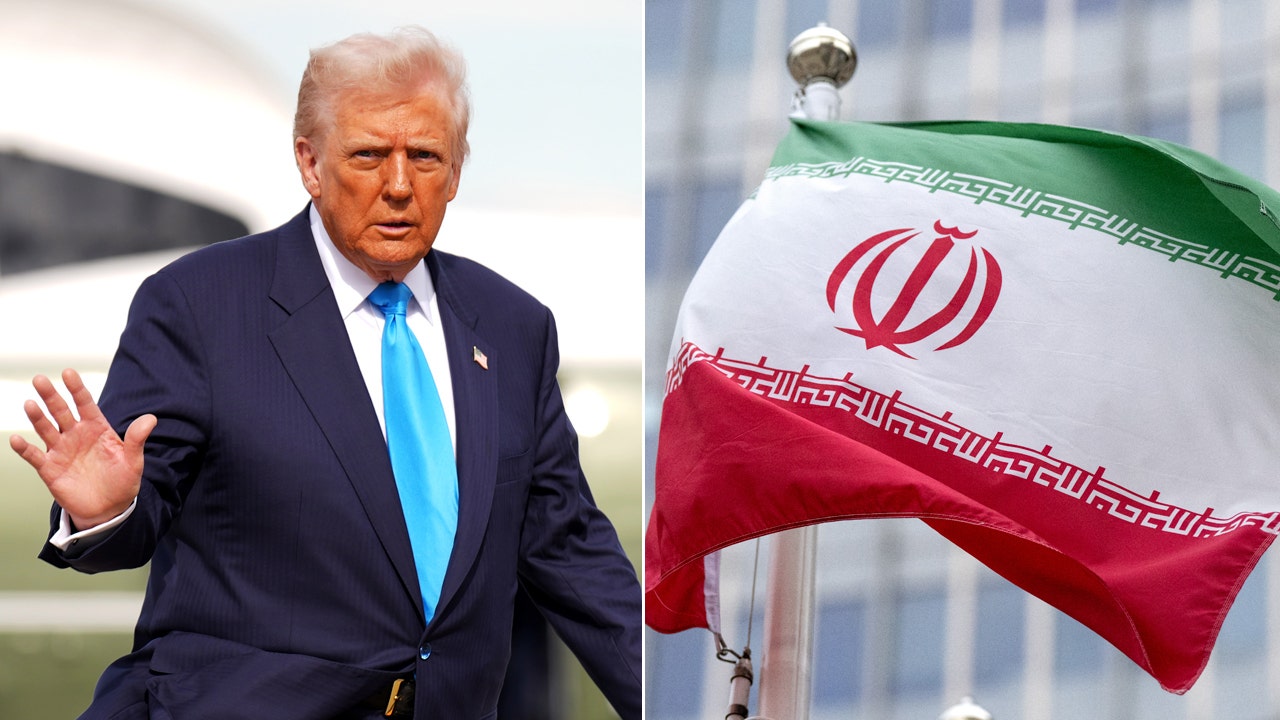
Former President Donald Trump finds himself at a critical crossroads concerning U.S. policy towards Iran. Despite his frequently articulated desire to de-escalate or disengage from ongoing conflicts, the Islamic Republic of Iran is reportedly presenting terms for a resolution that are considered "bad deals." This diplomatic impasse is a direct legacy of Trump 2018 withdrawal from the Joint Comprehensive Plan of Action (JCPOA) and the subsequent implementation of a "Maximum Pressure Campaign." The core dilemma involves reconciling the strategic imperative to curb Iran nuclear program and its extensive regional proxy activities with the political aspiration to avoid deeper military entanglements in the Middle East. This geopolitical stalemate carries profound implications for global energy security and broader macroeconomic stability. Iran persistent leverage derives from its strategic geographic position, including control over critical maritime chokepoints like the Strait of Hormuz, and its sophisticated network of regional proxies. A failure to forge a mutually acceptable diplomatic framework risks perpetuating regional instability, intensifying the ongoing shadow war, and maintaining upward pressure on global oil prices, which remain acutely sensitive to any supply disruptions originating from the Middle East. For Gen-Z intellectuals, grasping this intricate interplay of diplomacy, coercive economic measures, and asymmetrical conflicts is essential for comprehending the complex forces shaping the international order and their tangible effects on global markets and alliances.