Oxford-Designed Bundibugyo Ebola Vaccine Kicks Off Pivotal Trials Amid DRC Crisis
Context mode is active. Hover over any highlighted term to see its definition. Click a nested term to go deeper.
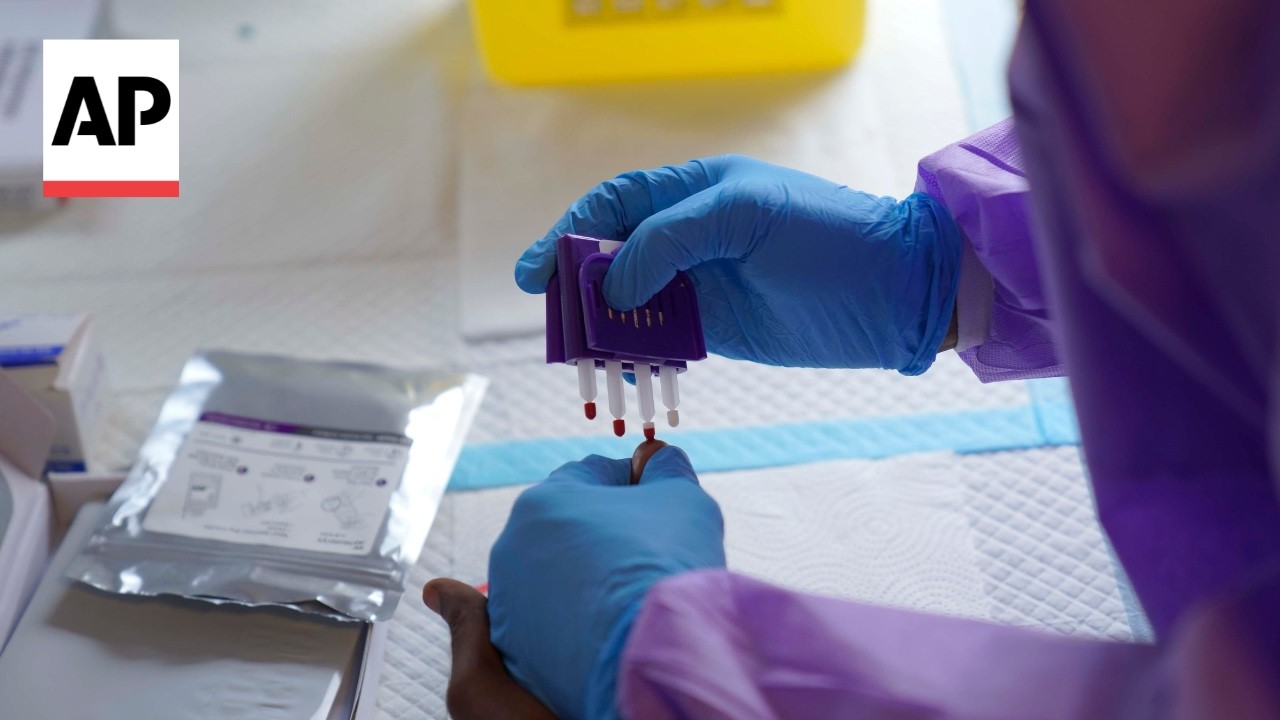
A global push to combat the deadly Bundibugyo Ebola outbreak reached a critical new stage this October, as the pivotal 'Tumaini' (meaning 'hope' in Swahili) Phase 2/3 clinical trial began in the Democratic Republic of Congo (DRC). This urgent trial, launched on October 23, 2026, is assessing potential vaccines against the Bundibugyo virus, a strain of Ebola for which no approved vaccine currently exists, even as the outbreak claims nearly 5,000 lives and surpasses 10,000 confirmed cases in the DRC alone. The severity of the Bundibugyo outbreak, now the second-largest Ebola epidemic in history, has underscored the desperate need for targeted protection. While the trial initially evaluates the existing Ervebo vaccine (licensed for a different Ebola strain) for any cross-protection, the groundbreaking ChAdOx1 BDBV vaccine from the Oxford Vaccine Group, designed specifically for Bundibugyo by scientists including Professor Teresa Lambe, is slated to join the Tumaini platform soon. This Oxford candidate, alongside Moderna mRNA vaccine and another from the International AIDS Vaccine Initiative, represents a rapid scientific response, building on lessons from the COVID-19 pandemic to accelerate vaccine development and testing. As the Tumaini trial expands to include vulnerable populations like children, the coming months will be crucial. Researchers will be closely watching for initial efficacy data, which could determine the future of vaccine deployment in this rapidly spreading crisis that has already seen cases emerge in Kenya and Nigeria. The success of these trials, particularly for the Bundibugyo-specific candidates like Oxford's ChAdOx1 BDBV, offers the most significant hope yet for bringing this unprecedented outbreak under control and strengthening global preparedness against future viral threats.