Pakistan Grapples with Triple Threat: India, Afghan Border, and Internal Unrest Intensify
Context mode is active. Hover over any highlighted term to see its definition. Click a nested term to go deeper.
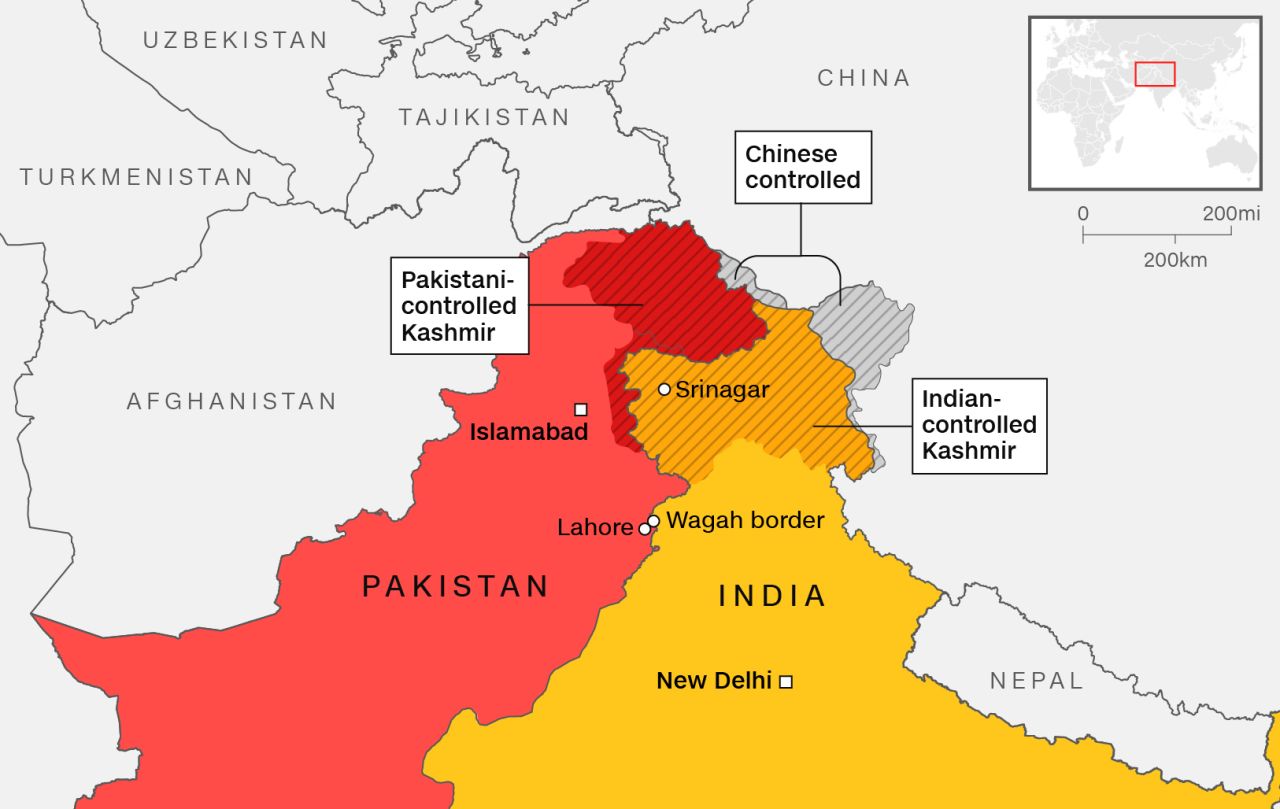
Pakistan is facing its most complex security challenge in years, navigating simultaneous crises on three major fronts: a more aggressive India, persistent cross-border terror from Afghanistan, and escalating internal unrest and militant violence across Khyber Pakhtunkhwa, Balochistan, and Azad Jammu and Kashmir. This triple threat is putting immense pressure on the nation, traditionally a 'security state,' pushing it deeper into instability at a time when its provinces are more destabilized than ever before. For the first six months of 2026 alone, over 200 terror attacks, mostly by Tehreek-i-Taliban Pakistan (TTP), ravaged KP, killing 300 people, while Balochistan saw more than 100 attacks, predominantly by the Balochistan Liberation Army (BLA). The eastern frontier is heating up with India, which reportedly suspended the Indus Waters Treaty last year and is now said to be deploying nuclear warheads operationally, according to the Swedish think tank SIPRI. This marks a dangerous shift from the traditional 'recessed deterrence' posture previously maintained by both nuclear-armed rivals. Meanwhile, relations with Afghanistan are frozen, with the border closed and trade halted since deadly clashes in October 2025. Internally, public revolts and violent protests in AJK, led by the Joint Awami Action Committee (JAAC), have paralyzed the region since early June 2026, fueled by governance failures and economic neglect. The coming months will be critical. Pakistan must find a way to de-escalate tensions with India and Afghanistan while urgently addressing the root causes of internal unrest, especially the deep-seated political alienation in Balochistan and AJK. The stand-off in AJK, particularly concerning reserved refugee seats, continues with no clear end in sight, while the federal and Khyber Pakhtunkhwa governments remain at loggerheads over handling militancy. The challenge for Pakistan is to move beyond its security-first approach and implement genuine political and economic reforms to stabilize its volatile internal landscape, or risk further widening the arc of its security threats.