Pakistan Touts Failed US-Iran Peace Deal as 'Template' Amid Hormuz Standoff
Context mode is active. Hover over any highlighted term to see its definition. Click a nested term to go deeper.
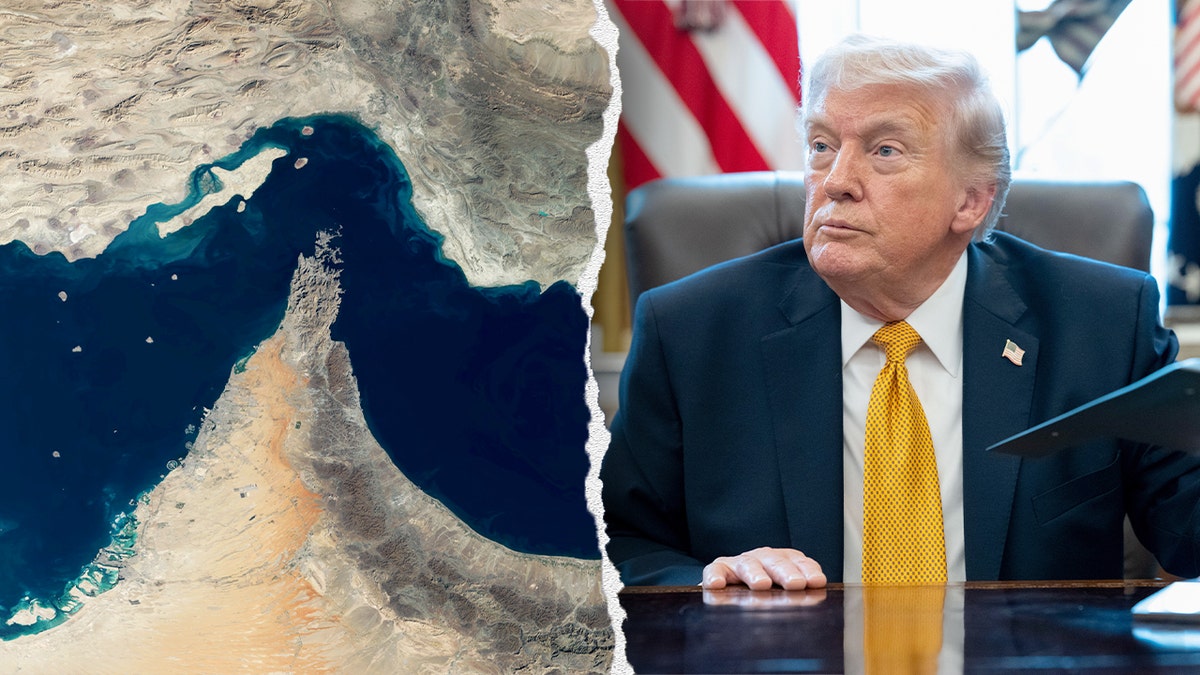
As the critical Strait of Hormuz remains gripped by a tense standoff, Pakistan Foreign Ministry spokesperson, Tahir Andrabi, declared that a failed June 2026 Iran-US Memorandum of Understanding (MoU) still offers a 'template of peace.' This statement comes amidst fresh diplomatic pushes from Islamabad, with Pakistan Interior Minister Mohsin Naqvi recently engaging Iranian President Masoud Pezeshkian in Tehran, hoping to de-escalate a conflict that has severely impacted global energy supplies. This renewed emphasis on the defunct Islamabad Memorandum highlights the deep divisions plaguing efforts to end the 2026 Iran War, which began in February with US-Israeli strikes on Iran, leading to Tehran's retaliation and a near-blockade of the Strait. Despite a framework agreement signed in June to reopen the waterway and halt hostilities, the deal quickly collapsed over Iran insistence on controlling transit and levying fees. Now, with US President Donald Trump claiming 'total control' over the Strait and Iran disputing it, shipping traffic remains drastically low, impacting global oil markets and creating a significant 'Trump tax' on businesses and consumers. Pakistan continued shuttle diplomacy, with its Defense Minister Khawaja Asif suggesting a new 'arrangement' between Washington and Tehran might be close, signals a desperate effort to find common ground. However, the core disagreements over navigation rights and security guarantees in the Strait of Hormuz persist. The world will be watching to see if Islamabad can genuinely revive the spirit of the previous understanding or if the current diplomatic overtures will merely be another attempt to bridge an ever-widening chasm in this vital global chokepoint.