Paramount Merger Rocked by 'Illegal' Trump Deal Lawsuit, Media Freedom Under Scrutiny
Context mode is active. Hover over any highlighted term to see its definition. Click a nested term to go deeper.
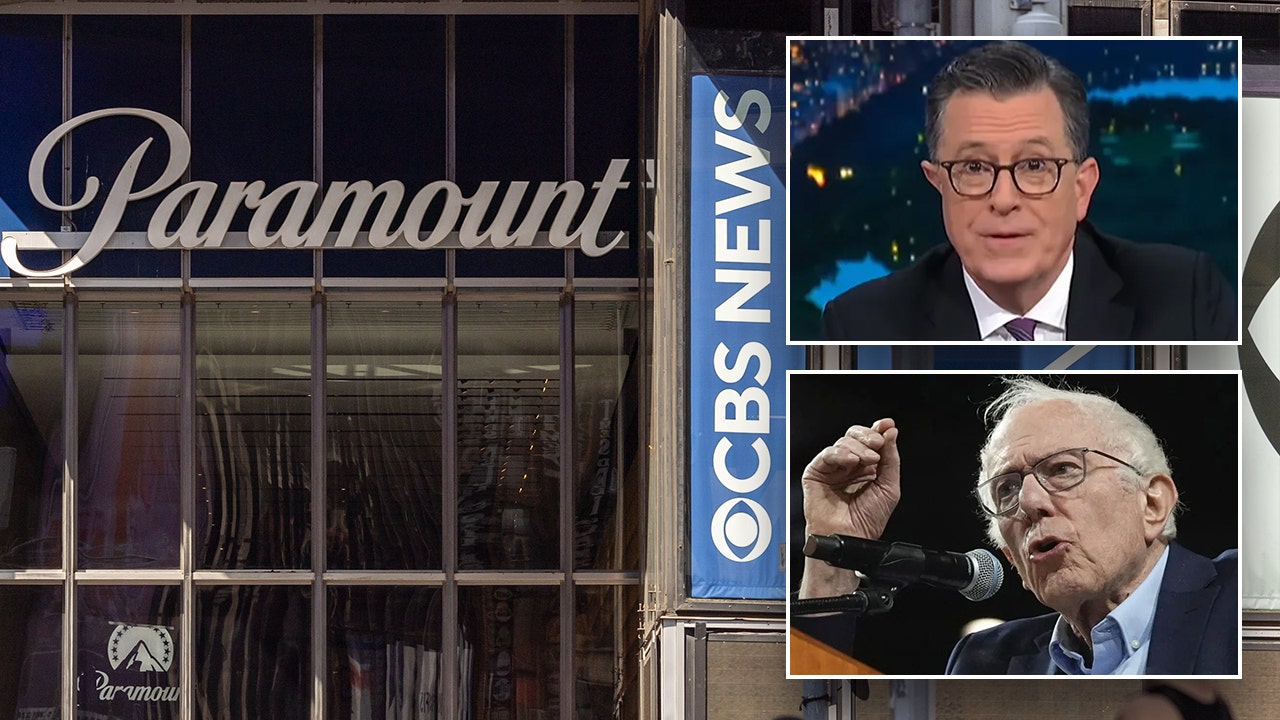
A massive $111 billion media merger between Paramount Skydance and Warner Bros. Discovery has hit a fresh legal roadblock: a shareholder lawsuit alleging Paramount's controlling owners, Larry and David Ellison, made 'illegal' deals with former President Donald Trump to clear regulatory hurdles. Filed by shareholder Paul Robbins on July 14, 2026, the suit claims the Ellisons promised political favors, including a potential shake-up at CNN, in exchange for White House approval, raising serious questions about corporate ethics and media independence. This action, backed by press freedom advocates, adds to the growing legal challenges against the ambitious deal, which aims to combine some of Hollywood's biggest names. This shareholder challenge isn't happening in a vacuum; it lands just a day after a coalition of 12 U.S. states, led by California Attorney General Rob Bonta, launched their own antitrust lawsuit, arguing the merger would stifle competition and harm consumers and workers. Moreover, the Writers Guild of America has also voiced concerns through legal action, fearing reduced pay and job opportunities for writers. These multiple legal battles contrast sharply with the U.S. Justice Department green light for the acquisition just last month, an approval that the shareholder suit suggests was swayed by the Ellisons' alleged political dealings with the Trump administration. The suit even points to Netflix's withdrawal from the bidding war for WBD, hinting at difficulties navigating the political landscape. Paramount, meanwhile, firmly denies the allegations, calling them 'recycled' and stressing their commitment to truth-based journalism. The legal showdown is intensifying, with David Ellison reportedly keen to finalize the deal by September to avoid increased payouts to Warner Bros. Discovery shareholders and mounting legal fees. With a hearing on a preliminary injunction potentially scheduled for July 17 in Delaware Chancery Court, the immediate future of this monumental merger hangs in the balance. The outcomes of these lawsuits will not only shape the media landscape for years to come, creating a powerful new entertainment giant, but will also set important precedents regarding corporate accountability, political influence in regulatory processes, and the cherished independence of news organizations.