Penn State Engineers Paint on Health: Customizable E-Tattoos Track Vitals for Hours
Context mode is active. Hover over any highlighted term to see its definition. Click a nested term to go deeper.
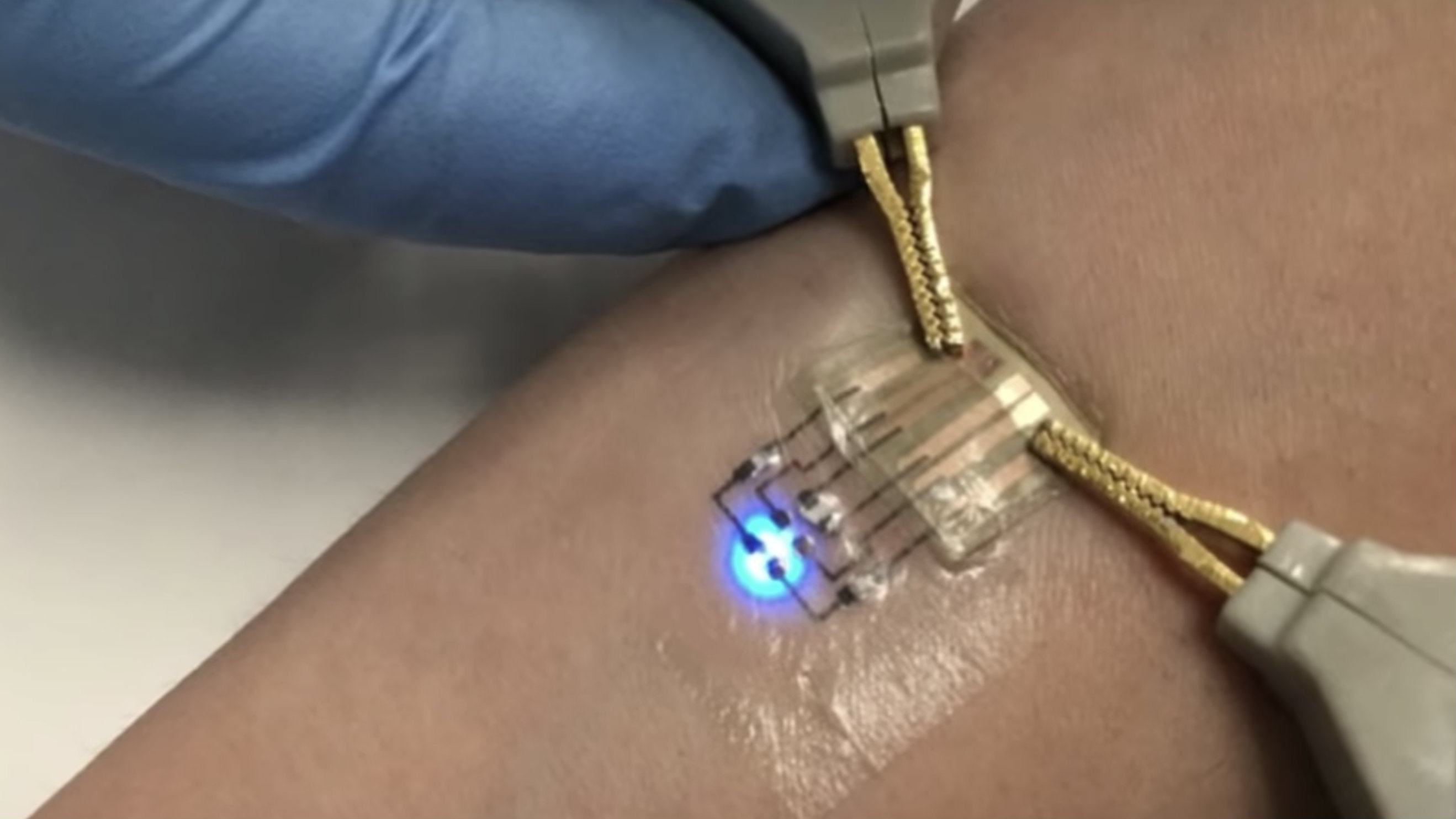
Scientists at Penn State University have made a big step in health technology, creating a special liquid ink that can be painted directly onto skin like face paint to act as wearable electrodes. These colorful, customizable 'e-tattoos' can track important body signals, like heart and muscle activity, for up to 12 hours without causing any skin irritation, even during exercise. This breakthrough offers a more comfortable and accurate way to check on our health, moving away from stiff, traditional medical patches. Unlike older methods that use rigid metal or jelly-like hydrogel patches, this new conductive ink sticks perfectly to the skin, removing tiny air gaps that usually cause poor readings. This makes the health data much clearer and more reliable. The paintable electrodes can be washed off easily and reapplied, and the main electronic part can be reused, making it a practical solution for long-term use and potentially less scary for children needing medical monitoring. This innovation arrives as the electronic skin market is growing fast, showing a clear need for better, more comfortable wearable sensors. Looking ahead, the Penn State team, led by Professor Larry Cheng, has big plans for this technology, which is detailed in the journal Proceedings of the National Academy of Sciences. They are exploring how these paintable sensors could also detect important chemicals in our body, such as blood sugar levels (glucose) for diabetes or stress hormones (cortisol). There's even potential for them to help control robotic prosthetic hands or monitor the health of plants. The researchers have already filed a patent for their invention, moving it closer to real-world use.