Peru's Fujimori edges ahead as contested presidential votes trickle in
Context mode is active. Hover over any highlighted term to see its definition. Click a nested term to go deeper.
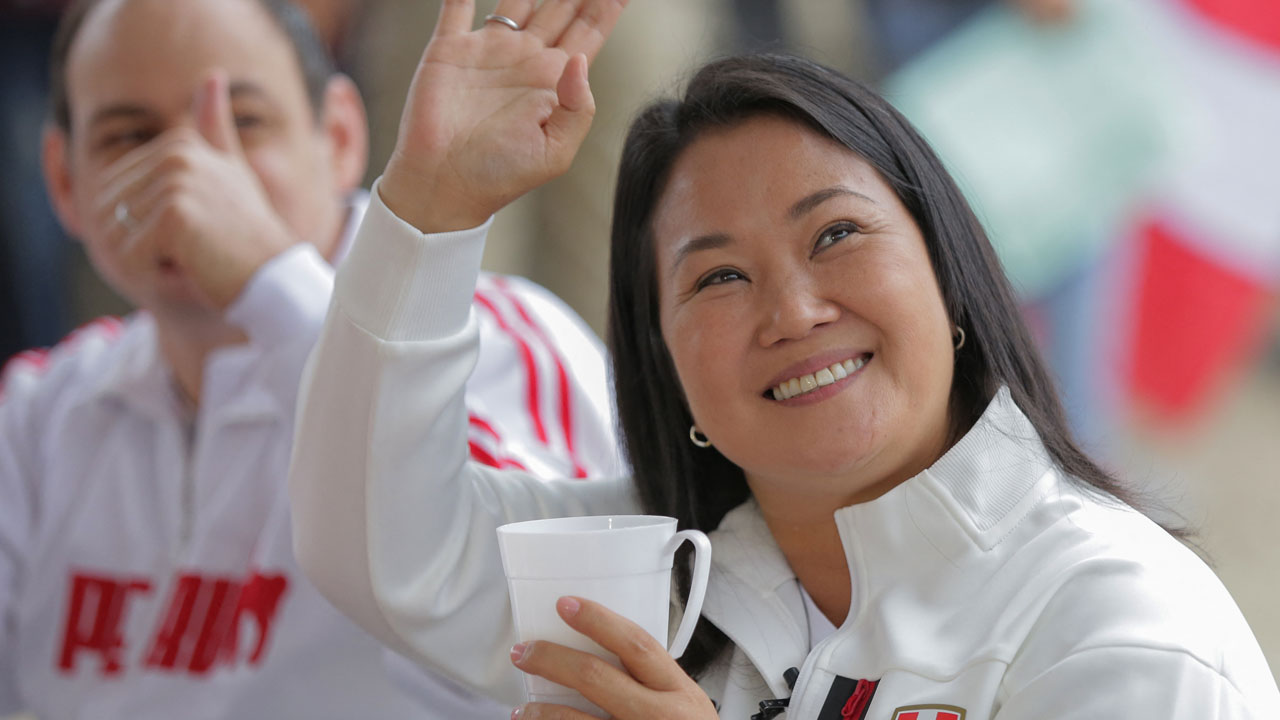
Peru's tumultuous presidential race has entered a critical phase, with right-wing candidate Keiko Fujimori maintaining a razor-thin lead over leftist rival Roberto Sanchez as the National Electoral Jury (JNE) meticulously reviews thousands of contested ballots from the June 7 runoff. As of Monday, June 15, Fujimori held 50.051% of the vote against Sanchez's 49.949%, a margin of just over 18,300 votes with 98.59% of ballots tallied by the National Office of Electoral Processes (ONPE). This protracted count, expected to last weeks, leaves Peruvians on edge as the nation braces for its ninth president in a decade, a testament to its deep political volatility. The stakes couldn't be higher for the Andean nation, which has grappled with consistent political instability, including a succession of presidents and fragmented legislative bodies. Fujimori, scion of the controversial Alberto Fujimori, promises continuity of a market-led economic framework, while Sanchez, an ally of the imprisoned Pedro Castillo, advocates for a constituent assembly to rewrite the constitution. The current review process, particularly of votes from the Fujimori-leaning Lima region, is anticipated to be decisive. Sanchez has already voiced 'suspicions' about the recount and unsuccessfully sought to invalidate 400,000 overseas votes, further fueling an already tense political environment where his supporters have staged peaceful demonstrations. The ultimate declaration of a winner, potentially not until mid-July, will kickstart a demanding five-year term for the new president, who is slated to be sworn in on July 28. Whoever emerges victorious will inherit a deeply polarized nation and a fragmented Bicameral Congress, necessitating broad coalition-building to ensure governability. The outcome will not only shape Peru's economic trajectory and social policies but also test the resilience of its democratic institutions in the face of persistent political infighting and public disillusionment.