Philippine Auto Sales Dip, But EVs Power Ahead with Staggering July Growth
Context mode is active. Hover over any highlighted term to see its definition. Click a nested term to go deeper.
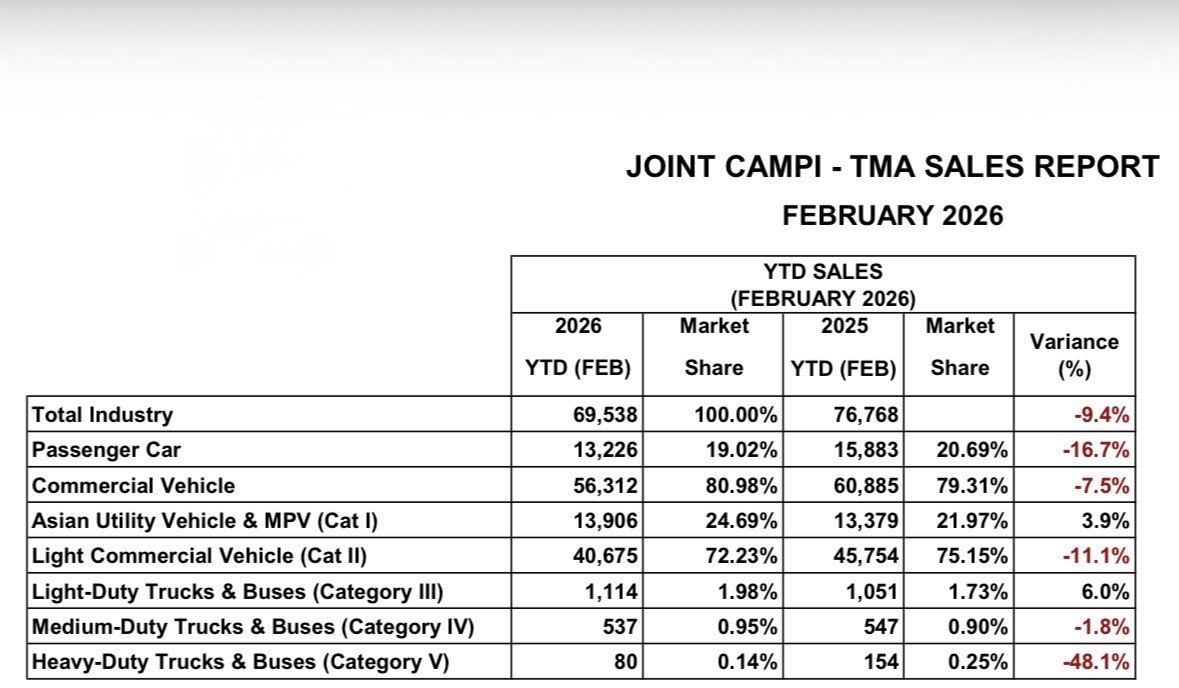
The Philippines' automotive market saw a glimmer of hope in July 2026, with overall sales hitting their highest monthly mark for the year, yet still trailing 2.5 percent behind last year's figures. But here's the kicker: Electric Vehicles (EVs) are smashing expectations, soaring by an incredible 162 percent year-on-year and single-handedly pushing the industry forward amidst a broader slump. This dramatic surge for EVs, encompassing Battery Electric Vehicles (BEVs), Hybrid Electric Vehicles (HEVs), and Plug-in Hybrid Electric Vehicles (PHEVs), signals a significant shift in consumer preference and market dynamics. This boom isn't happening by accident. It is fueled by strong government backing, notably President Ferdinand Marcos Jr. signing of the Electric Vehicle Incentive Strategy (EVIS) in July, which offers up to ₱60 billion in incentives for local EV manufacturing. Alongside this, a crucial zero-tariff policy on various electric and hybrid vehicles has been extended through 2028, making these green options more affordable for Filipinos. This policy push, coupled with persistent Fuel Price Volatility—partly due to the Middle East conflict affecting overall auto sales, which are down 10.2 percent for the first seven months of 2026—is making EVs an increasingly attractive alternative. Chinese brand BYD is currently leading the charge, dominating the EV market with over 71 percent share, with VinFast and Tesla also making significant gains. Looking ahead, the Philippines aims to solidify its position as an EV manufacturing hub in Southeast Asia. The focus now is on rapid expansion of Charging Infrastructure, with ambitious plans to increase public charging stations from around 1,000 in late 2025 to 7,300 by 2028. This infrastructure build-out, combined with continued government incentives and evolving consumer awareness, suggests that while traditional Internal Combustion Engine (ICE) vehicles might struggle, the electric revolution in the Philippines is just getting started, promising a greener and more energy-secure future.