Philippines Grapples with Soaring Inflation as Wealth Tax Debate Intensifies
Context mode is active. Hover over any highlighted term to see its definition. Click a nested term to go deeper.
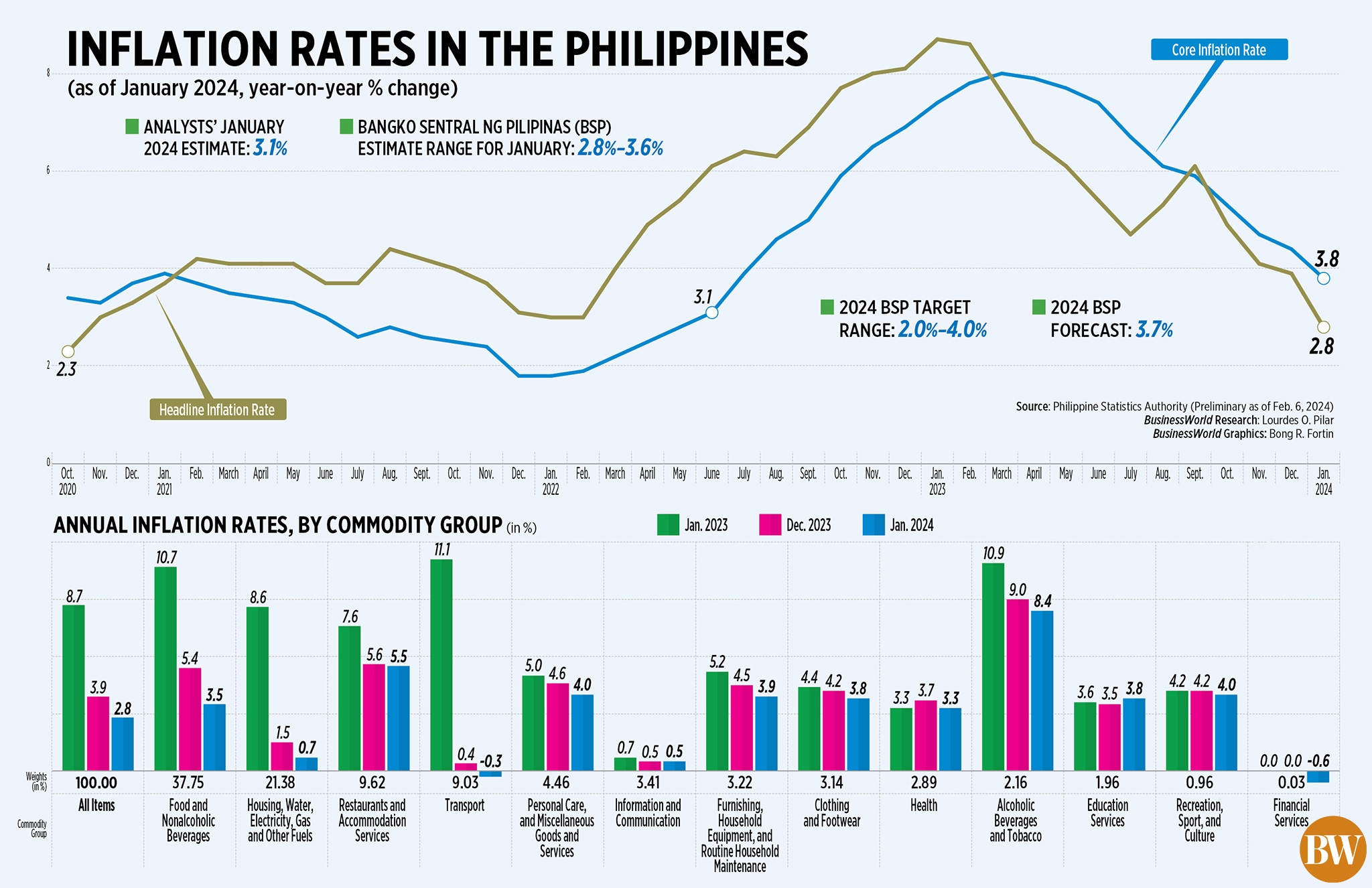
Manila is abuzz with urgent discussions over a potential wealth tax as the Philippines confronts a sharp surge in inflation, hitting 7.2 percent in September 2026—a three-year high. This climb from August's 6.1 percent is largely driven by soaring food prices, with rice inflation alone spiking to an alarming 20.3 percent, alongside rapidly increasing transport and utility costs. The escalating cost of living is particularly straining the poorest 30 percent of households, who faced a staggering 9 percent inflation rate last month. The current inflationary episode is rooted in 'supply-side' issues, meaning problems with getting goods to market, exacerbated by adverse weather, global oil price volatility, and distribution bottlenecks. While the Bangko Sentral ng Pilipinas (BSP) has responded by raising its benchmark interest rate to 5 percent in August and is expected to continue tightening monetary policy, the Department of Finance (DOF) is exploring a wealth tax. This move, part of President Ferdinand Marcos Jr.'s broader 'ProGRESS Bill,' aims to ease the burden on ordinary Filipinos through tax relief while seeking new revenue streams, yet critics fear it could deter investment and trigger capital flight. As the government weighs the economic implications, a proposed 'billionaire wealth tax' (House Bill 4304) faces scrutiny over its potential impact on productive assets versus idle wealth. The debate highlights a global economic challenge: whether taxing the ultra-rich can genuinely cool prices by addressing structural imbalances or if it risks stifling economic growth. All eyes are on how Manila navigates this complex policy tightrope, with further legislative discussions on the ProGRESS Bill, including wealth tax components, expected in the coming months.