POSCO Edges Toward Historic First Full Strike, Rocking South Korea's Industrial Backbone
Context mode is active. Hover over any highlighted term to see its definition. Click a nested term to go deeper.
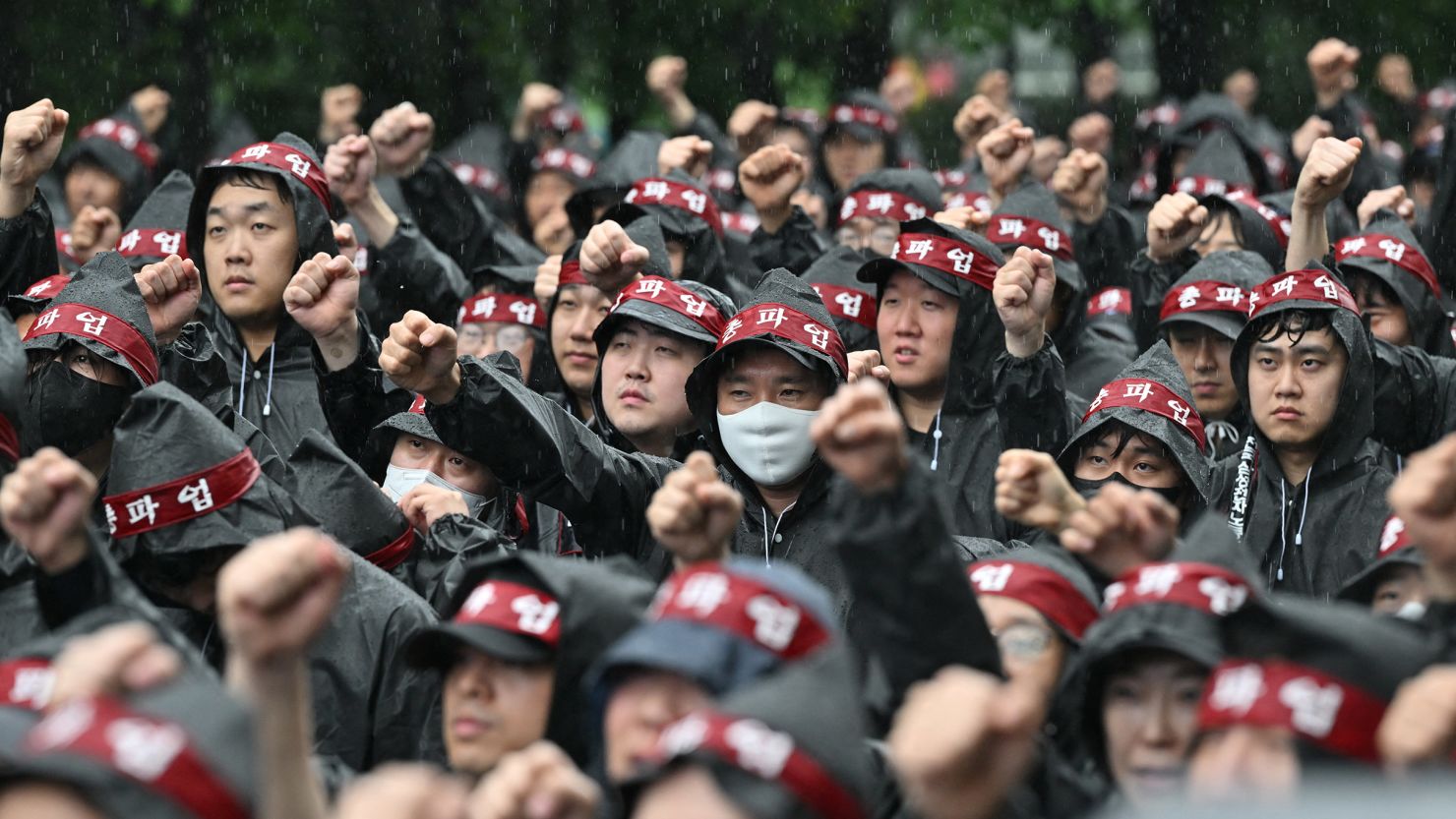
South Korea industrial landscape is bracing for a potential earthquake as POSCO, a global steelmaking titan, now stands on the precipice of its first full strike in 58 years. The company's labor union officially secured the legal right to initiate industrial action after mediation efforts at the National Labor Relations Commission (NLRC) collapsed on August 18, signalling an unprecedented challenge to the steelmaker long-held tradition of labor peace. This development raises the immediate threat of significant disruption to global steel production and supply chain. The breakdown in wage negotiations stems from a stark divide: the union demands a 7.1% base salary increase and a hefty 600% incentive bonus, alongside employee stock ownership and holiday bonuses, while management has offered a 1.5% base salary hike and a 2.5 million won incentive. This isn't the first time the union has gained strike rights, having done so in 2024, but the current hard-line stance, partly fueled by distrust over past management decisions and the contentious direct hiring of subcontracted workers, suggests a different outcome this time. The ripple effects could be severe, impacting major South Korean industries like automotive, shipbuilding, and construction, which heavily rely on POSCO steel. While an immediate full-scale walkout isn't planned, the union is preparing for a phased approach, likely beginning with partial strike in September, and remains open to further discussions. POSCO, already seeing its steel operating profit halved year-over-year in Q2, has activated an emergency response system to mitigate potential disruptions. All eyes are now on how these high-stakes wage negotiations evolve, especially with the 'yellow envelope law' potentially shifting the landscape of labor disputes in the country, and what this landmark confrontation means for the future of labor relations in South Korea and the global steel market.