Punjab Vs Haryana Over Rs 2,300-Crore Infra: What Is Malwa Canal Project?
Context mode is active. Hover over any highlighted term to see its definition. Click a nested term to go deeper.
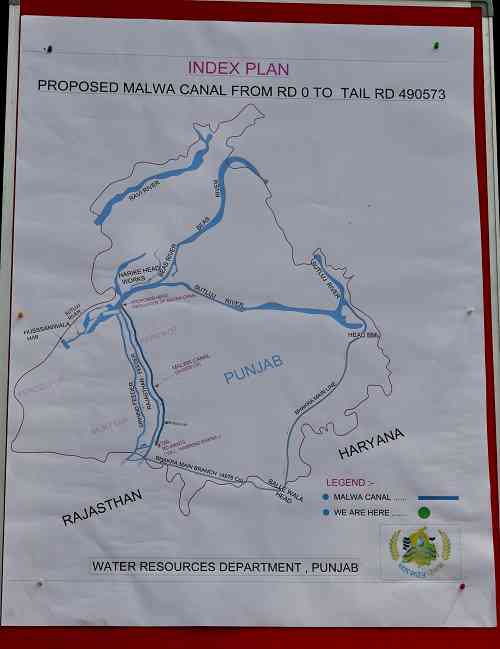
The latest flashpoint in India chronic inter-state water dispute just erupted, with Punjab ambitious ₹2,300-crore Malwa Canal Project triggering a fresh and heated confrontation with neighboring Haryana. The central government has stepped in, giving both states a tight one-month deadline to resolve their differences after Haryana fiercely questioned the canal's water source and demanded full technical details during a recent Northern Zonal Council meeting. This isn't just about a new canal; it's a direct challenge to Punjab claim of water scarcity, especially given the decades-long stalemate over the Sutlej Yamuna Link (SYL) Canal. At the core of Haryana objection lies the inconvenient truth that Punjab has consistently cited a lack of surplus water as its reason for not completing its portion of the SYL Canal, which is meant to provide Haryana its rightful share of Ravi-Beas waters. Now, Haryana sees Punjab proposing a massive new project to divert 2,000 cusecs from the Sutlej via the Harike Headworks for its own drought-prone Malwa region, making them ask: where is this 'new' water coming from? This dispute is deeply rooted in the contentious history of river water sharing, involving tribunals like the Ravi-Beas Waters Tribunal, which just received another extension in June 2026 without a final resolution. With the Centre pushing for an expedited resolution, all eyes are on the upcoming month-long negotiation window. The Bhakra Beas Management Board (BBMB) and IIT Ropar are already involved in assessing water availability, while Punjab faces additional hurdles from environmental groups and local farmers concerned about tree felling and potential waterlogging from the Malwa Canal. The outcome here won't just decide the fate of this ₹2,300-crore project; it will set a significant precedent for how India states manage their increasingly strained shared water resources and address the constitutional framework of inter-state river disputes.