Putin Pushes Trump-Xi Ukraine Summit Amid Shifting US-Russia Ties
Context mode is active. Hover over any highlighted term to see its definition. Click a nested term to go deeper.
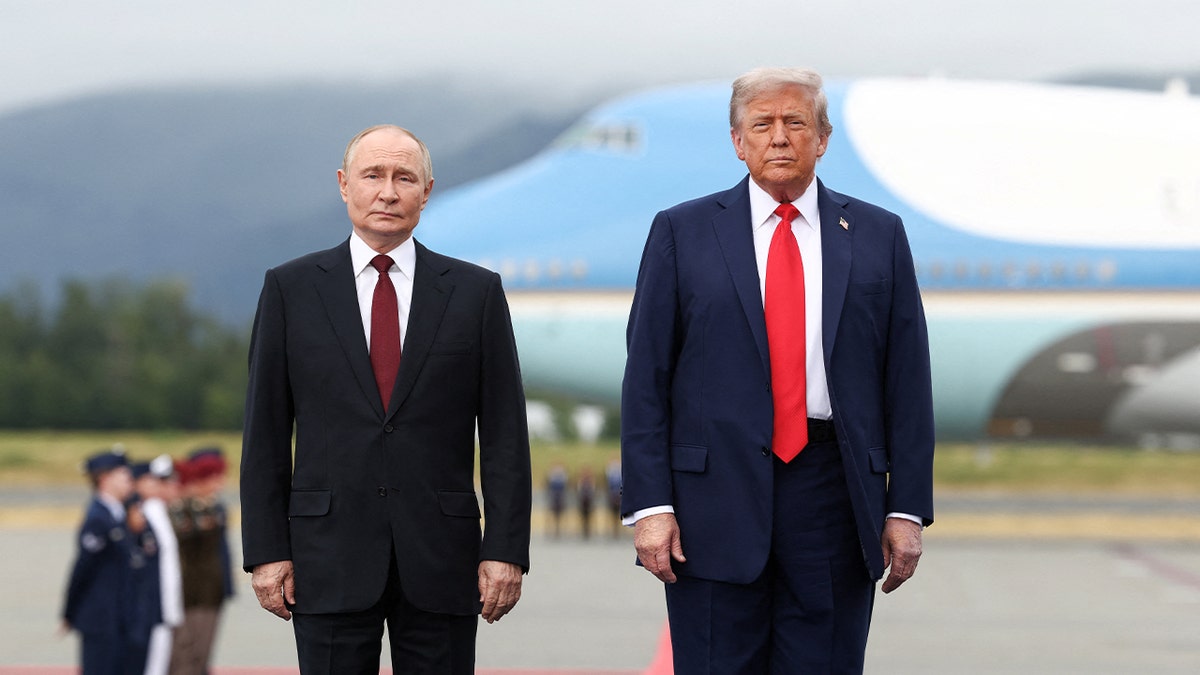
Russian President Vladimir Putin has proposed an unprecedented trilateral summit with US President Donald Trump and Chinese leader Xi Jinping next month to negotiate an end to the ongoing Ukraine conflict, notably without Ukrainian involvement. The reported suggestion, made during a private October 9 phone call between Putin and Trump, aims to secure a peace deal favorable to Moscow and comes as US-Russia relations appear to be undergoing a significant shift. This move is seen as an attempt by the Kremlin to capitalize on the warming ties and recent agreements between Washington and Moscow. The stakes are incredibly high, as the four-year Ukraine conflict continues to inflict heavy casualties and widespread destruction, with Ukraine currently facing its deadliest period since the full-scale invasion. President Trump recently stirred controversy by agreeing to a deal to purchase Russian diesel fuel and by suspending a package of sanctions against Moscow, decisions Ukrainian President Volodymyr Zelenskyy has sharply criticized for emboldening Russia and prolonging the war. Putin's ambitious vision for the proposed talks reportedly includes a 'Yalta-style conference' that would redefine global 'spheres of influence,' a concept alarming to many European allies. China, while not opposed to the idea if Trump is on board, is reportedly cautious about the summit overshadowing its own diplomatic priorities at the upcoming APEC meeting. While Kremlin spokesman Dmitry Peskov confirmed that discussions are underway, no firm agreement has been reached regarding the summit or its agenda, though Trump is reportedly 'receptive' to the idea, aligning with his campaign promise to end the war. The potential meeting is slated to happen on the sidelines of the Asia-Pacific Economic Cooperation (APEC) summit in Shenzhen on November 18-19. The absence of Ukraine from these high-level discussions, coupled with recent US policy shifts, signals a turbulent period for international diplomacy and raises urgent questions about the future trajectory of the conflict and global power dynamics.