QS World University Rankings 2027: IIT Delhi Tops India Once Again, MIT Holds Rank 1 Spot For 15th Year
Context mode is active. Hover over any highlighted term to see its definition. Click a nested term to go deeper.
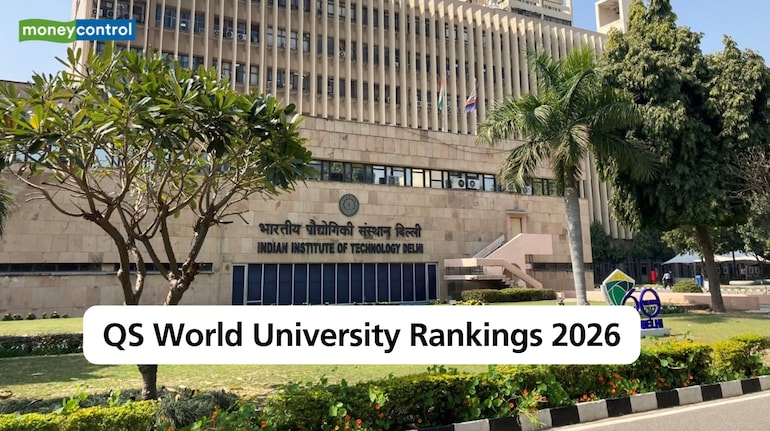
The QS World University Rankings 2027 report has unveiled a significant milestone for Indian higher education, with IIT Delhi ascending five places to 118th globally, marking the highest rank ever achieved by an Indian institution. This comes as the Massachusetts Institute of Technology (MIT) extends its unparalleled dominance, securing the top spot worldwide for an astonishing 15th consecutive year. While IIT Delhi celebrates its improved standing, its domestic counterpart, IIT Bombay, has seen a dip, slipping to 134th position from 129th last year. This year's rankings highlight a broader narrative of India's accelerating presence on the global academic stage, with 52 Indian universities now featured, establishing India as the world's fifth most represented higher education system. The progress extends beyond the elite Indian Institutes of Technology, with 18 Indian institutions — 13 of them non-IITs — achieving their highest-ever positions, demonstrating a widening distribution of academic success across the nation. Despite this growth, challenges persist, particularly in internationalization, where India continues to lag in attracting global students compared to major destinations, a hurdle acknowledged in recent policy discussions surrounding the National Education Policy 2020. Looking ahead, the emphasis on global rankings is poised to intensify policy initiatives and funding allocations aimed at enhancing research output and faculty quality within Indian universities, pushing more institutions towards a global top-100 aspiration. The sustained visibility of Indian institutions in these influential rankings will be crucial for attracting international talent and collaborations, further integrating India into the global knowledge economy. Education stakeholders will closely monitor how domestic reforms translate into tangible improvements in international faculty and student ratios, key metrics for future rank advancements.