Rachel Reeves new tax plan is madness - one group of drivers will be furious
Context mode is active. Hover over any highlighted term to see its definition. Click a nested term to go deeper.
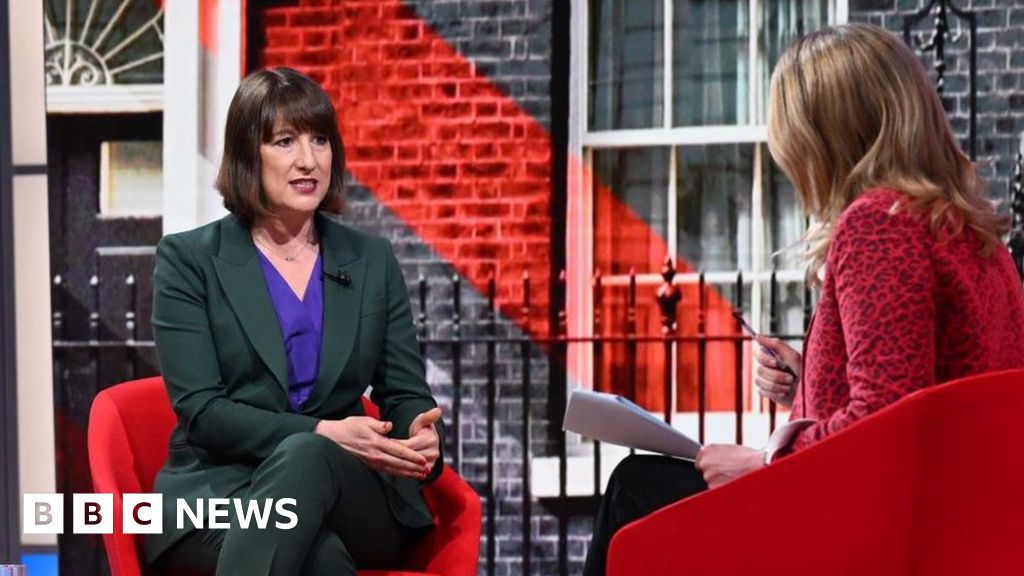
UK Chancellor Rachel Reeves is facing a fresh wave of outrage over her government's controversial plan to introduce a 'pay-per-mile' car tax for Electric Vehicles (EVs) and hybrids, slated to kick in from 2028. The proposed charge, which would see EV drivers pay 3p per mile and hybrid owners 1.5p per mile, is being lambasted by critics, including prominent motoring journalist Luke Chillingsworth, who argues it's 'madness' and a direct assault on essential workers and commuters. The policy's rationale is to offset the significant decline in Fuel duty revenue as more drivers transition from petrol and diesel cars to greener alternatives, but its implementation risks undermining the very adoption of Electric Vehicles it ostensibly encourages. This pushback comes amidst broader increases in Vehicle Excise Duty (VED) that took effect in April 2026, seeing almost all drivers, including those with older vehicles, face higher annual charges, with some new fees reaching £325. The collective burden has ignited fury among those reliant on their cars for their livelihoods, turning the green transition into a cost-of-living flashpoint. Looking ahead, the debate is far from settled. Electric car advocacy group EVA England has already called for the scrapping of the pay-per-mile eVED fee, warning it could 'undermine confidence' in electric vehicle ownership. With Rachel Reeves recently expressing hopes to avoid further tax rises before the next UK Budget due to increased Fiscal headroom, the political pressure to reconsider or amend this contentious car tax plan will only intensify. All eyes are now on the government to see if it will U-turn or push ahead, potentially alienating a significant segment of the electorate.