Rahul Gandhi Slams Centre Over New UPI Fees, Sparks Digital Payment Debate
Context mode is active. Hover over any highlighted term to see its definition. Click a nested term to go deeper.
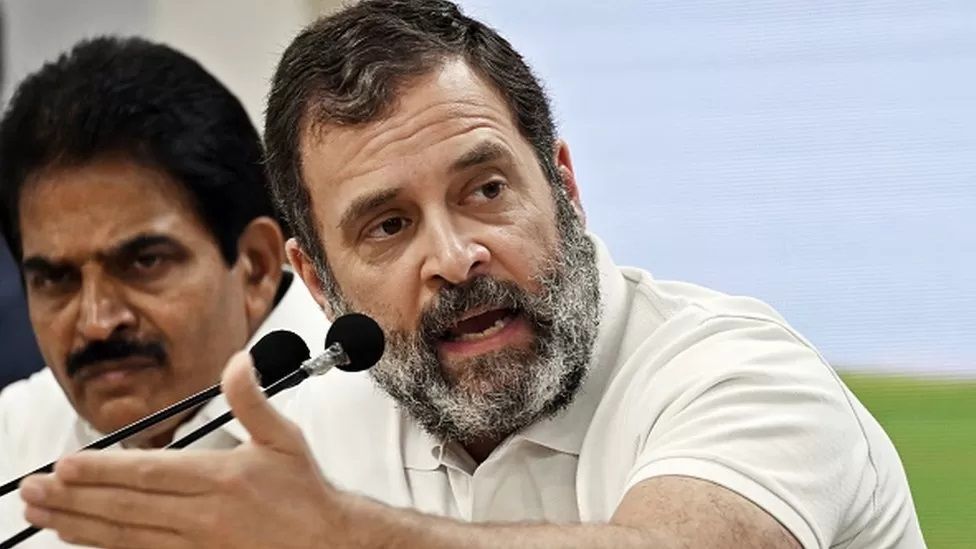
Rahul Gandhi has sharply criticized the Centre (Indian Government), accusing it of 'quietly opening the door to imposing fees on UPI' despite initial promises of free digital transactions. This comes after the government, via the National Payments Corporation of India (NPCI), announced a new Merchant Discount Rate (MDR) on Person-to-Merchant (P2M) transactions exceeding Rs 2,000, set to take effect from October 15, 2026. Gandhi argued that while the government states consumers will not be charged directly, these fees on merchants will ultimately be passed on through higher prices. Under the new framework, P2P transactions remain entirely free, and crucially, P2M transactions up to Rs 2,000 will also continue to be exempt from any charges. The government's rationale is to ensure the sustainability and continuous upgrading of India's massively scaled digital payment infrastructure, which processes billions of transactions monthly. However, the opposition alleges that this policy shift, which overturns a long-standing zero-MDR regime, might be influenced by external pressures from American payment companies. This move by the Centre (Indian Government) and NPCI is expected to reshape the dynamics of India's booming digital economy, prompting questions about its long-term impact on small businesses and consumer costs. While the government insists on maintaining affordability and transparency, the political debate highlights the delicate balance between fostering digital adoption and ensuring the financial viability of the payment ecosystem. All eyes will be on how the new MDR implementation unfolds post-October 15, 2026, and its broader economic implications.