Raichur's Anganwadi Workers Scale Hillocks for Network, Exposing India's Digital Divide
Context mode is active. Hover over any highlighted term to see its definition. Click a nested term to go deeper.
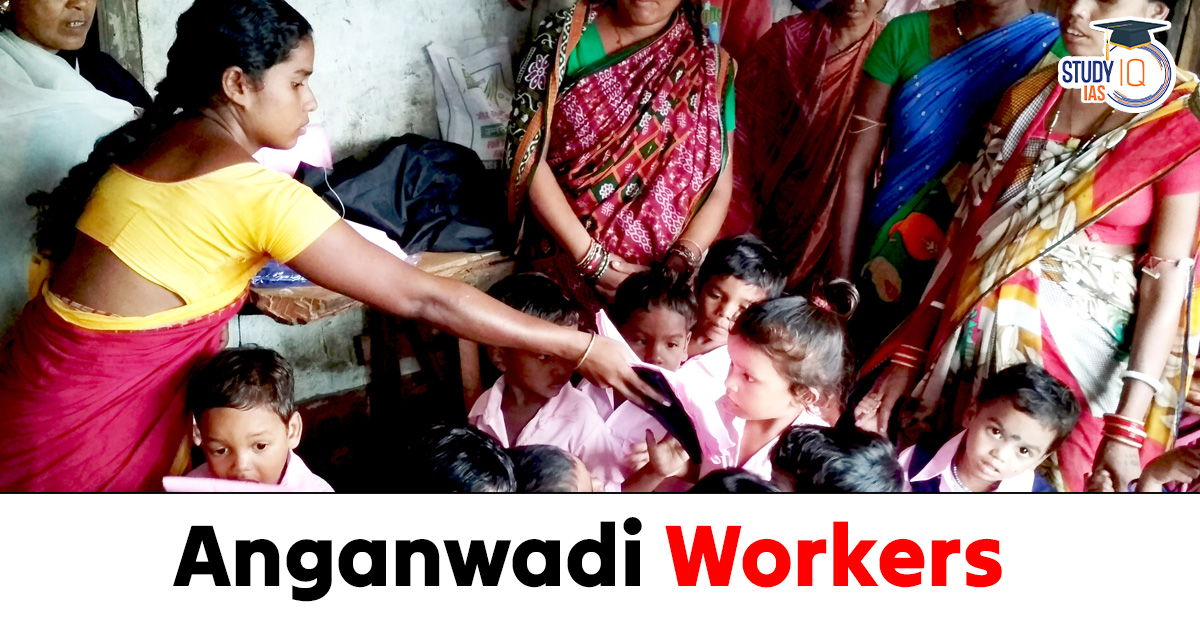
In a stark illustration of India's ongoing digital divide, Anganwadi workers in Karnataka remote Raichur district are being forced to climb treacherous hillocks, sometimes for kilometers, just to find a mobile signal. This desperate act is not for personal calls but to log crucial data on the Poshan Tracker app, an essential tool for delivering vital health and nutrition services to pregnant women, lactating mothers, and young children in their communities. Their struggle highlights the immense, often unseen, challenges faced by frontline workers trying to bridge the gap between digital mandates and ground-level realities. This isn't an isolated incident; similar network woes plague Anganwadi workers nationwide, hindering the ambitious goals of the Poshan Abhiyaan and the broader Integrated Child Development Services (ICDS) scheme. While the Poshan Tracker app is designed with some offline capabilities, consistent syncing and initial authentication processes, often involving Aadhaar e-KYC and facial recognition technology (FRT), frequently fail in areas with poor or no network. Compounding the problem are outdated government-provided devices, a lack of consistent data recharge funds, and varying levels of digital literacy among these dedicated workers, as seen in other states like Uttar Pradesh and Haryana where issues persist as recently as May and July 2025/2026. As the Karnataka government pushes for enhanced rural development and digital connectivity, including initiatives to boost digital skills and infrastructure, the plight of Raichur's Anganwadi workers serves as a critical reminder. Without urgent, localized solutions—better network coverage, reliable devices, consistent data support, and adequate training—the digital transformation intended to streamline welfare delivery risks leaving the most vulnerable populations behind. This gap between policy aspiration and operational reality demands immediate attention to ensure that no one is left scrambling for a signal to perform their indispensable duties.