Rajasthan Unleashes Hope: Captive-Bred Great Indian Bustards Return to Thar Desert
Context mode is active. Hover over any highlighted term to see its definition. Click a nested term to go deeper.
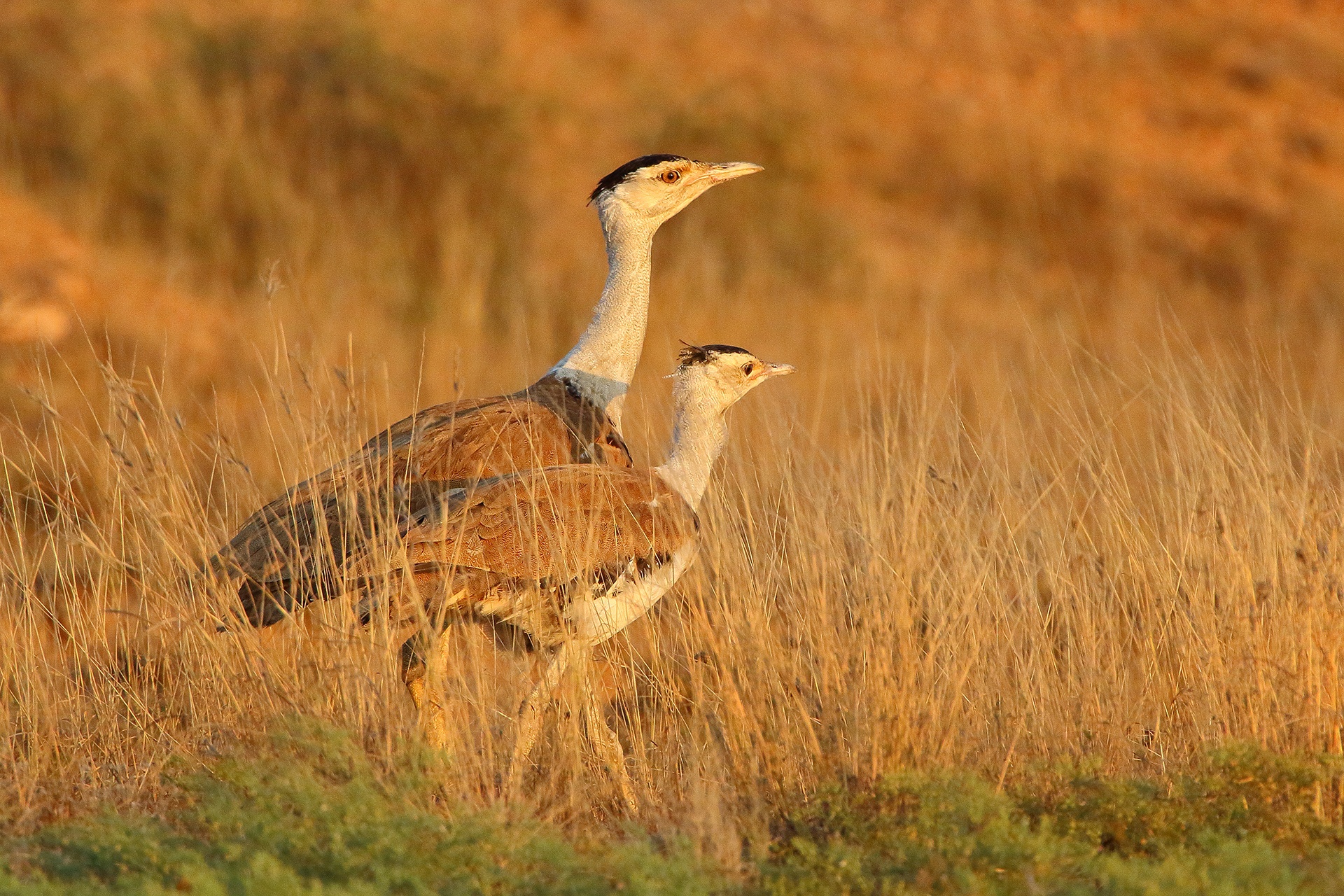
In a landmark conservation push, Rajasthan is set to release its first batch of captive-bred Great Indian Bustard (GIB) into the wild heart of the Thar Desert this October, marking a pivotal moment in India's fight against extinction. Releases are slated for October 3 at Ramdevra and October 4 at Sudasari, with these magnificent birds having undergone rigorous 'rewilding training' to ensure their survival and adaptation to their natural habitat. This initiative shifts gears from solely breeding to actively reintroducing the critically endangered species into its historical range. This crucial move comes as the Integrated Great Indian Bustard Conservation Project, initiated in 2016, enters a new phase, addressing the species' dwindling numbers—estimated at a mere 130-150 birds in the wild. The captive breeding program, operational since 2019 with modern centres at Ramdevra and Sudasari, has successfully raised a healthy population, with the first captive-bred chick hatching in March 2023. This effort is particularly significant given a December 2025 Supreme Court ruling mandating the undergrounding of high-risk power lines, a major cause of GIB mortality, and overcoming earlier considerations to release these birds in Gujarat's Kutch region in favor of their native Thar. Union Environment Minister Bhupender Yadav and a host of wildlife experts are expected to witness these releases, which will be followed by intensive scientific monitoring by the Wildlife Institute of India to track the birds' behavior, survival, and integration. With about 10 birds currently ready for release, this pilot project's success will be vital in shaping the future large-scale reintroduction efforts, aiming to bolster the wild population against pervasive threats like habitat fragmentation and invasive species, and ensuring the Godawan's majestic presence endures in India's grasslands.