RBI Proposes One-Time Approval to Ease Bank Stake Buys for Institutional Investors
Context mode is active. Hover over any highlighted term to see its definition. Click a nested term to go deeper.
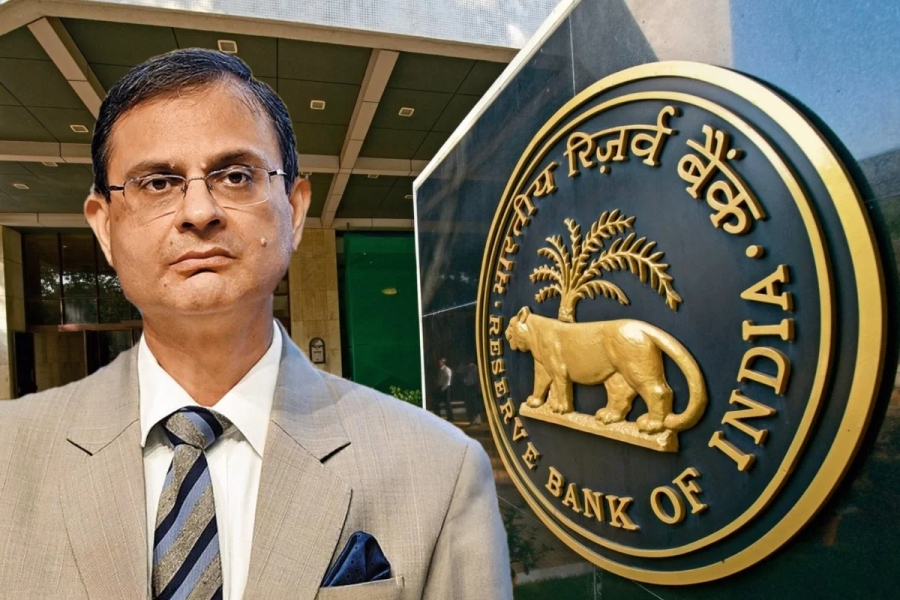
In a major move to simplify investment norms, India's central bank, the Reserve Bank of India (RBI), has proposed a new 'one-time approval' system for major institutional investors like mutual funds, insurance companies, and pension funds to acquire significant stakes in banks. This draft amendment to the existing 2025 Master Direction aims to cut down on repeated regulatory hurdles, allowing these 'qualifying persons' to increase their holdings up to 10% without needing fresh clearance each time their stake briefly dips below the 5% threshold. Currently, if an institution's holding in a bank falls below 5% and they later want to boost it back to a major shareholding, they have to go through the entire RBI approval process again. This proposed change, which also clarifies how holdings by portfolio managers and their clients are treated, seeks to streamline the investment landscape across commercial, small finance, payments, and local area banks, making it easier for domestic institutional investors and financial conglomerates to operate. The goal is to enhance ease of doing business while maintaining strict regulatory oversight on the banking sector's ownership structure. The RBI has opened these draft amendments for public comments until August 4, 2026, after which the final directions will be issued. Once finalized, this move is expected to boost institutional investment in the Indian banking sector by reducing procedural delays and providing more flexibility, potentially driving greater liquidity and stability in the capital markets. Investors should keep a close eye on the final wording as it could significantly reshape bank shareholding dynamics.