RBI Tightens Rules on NBFC Revolving Credit, Sparks Industry Debate
Context mode is active. Hover over any highlighted term to see its definition. Click a nested term to go deeper.
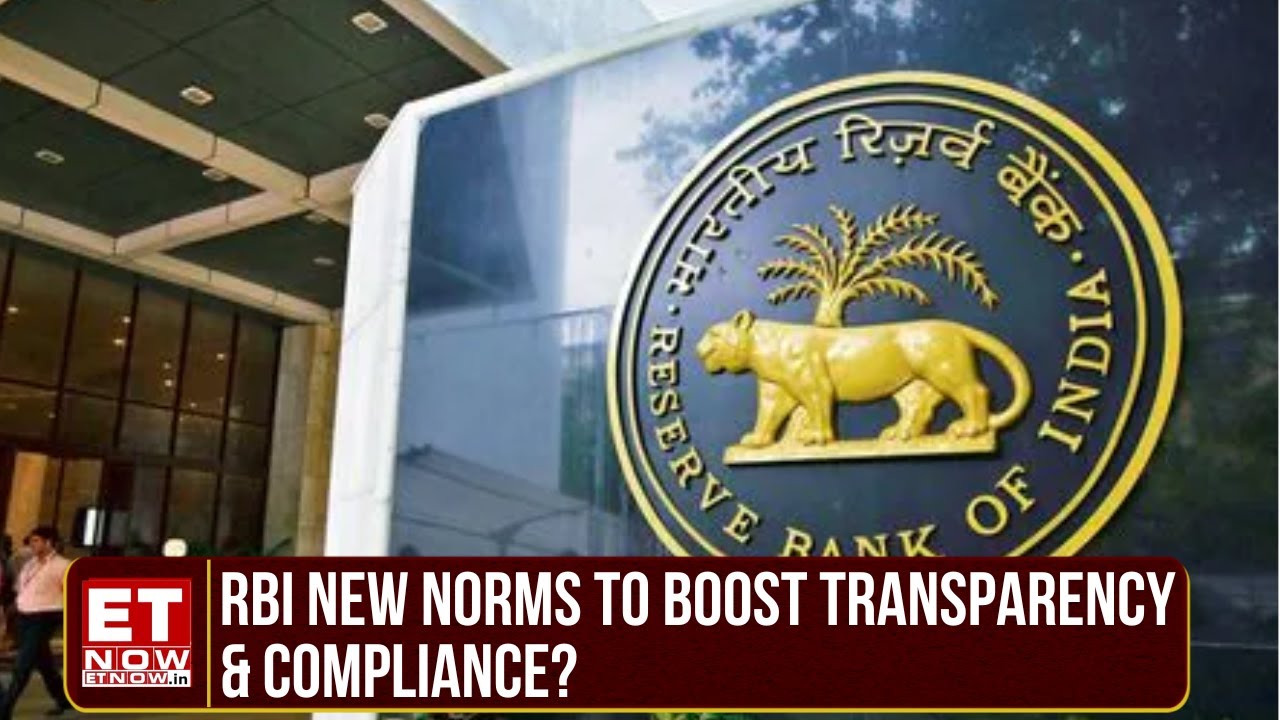
In a significant move set to reshape India's lending landscape, the Reserve Bank of India (RBI) has sought urgent feedback from non-banking finance companies (NBFCs) on proposed rules that could severely restrict revolving credit facilities. This comes as the central bank emphasizes the critical need for stronger compliance, internal audit, and risk management framework across the sector. The proposed changes, outlined in draft guidelines, aim to curb potential risks from rapidly growing unsecured retail credit. The RBI primary concern is that revolving credit, which allows borrowers to repeatedly draw and repay funds within a limit, can lead to debt cycles and make it hard for lenders to truly know a borrower's financial health, a problem less common for banks with better visibility into accounts. The new rules would largely push NBFCs towards offering only term loan, which have fixed repayment schedules, effectively removing the flexibility many borrowers and small businesses currently rely on. The Finance Industry Development Council (FIDC), representing NBFCs, is actively gathering feedback, arguing that a blanket ban could create an uneven playing field as banks would still offer similar flexible credit options, heavily impacting Micro, Small and Medium Enterprises (MSMEs) and individuals who rely on such credit for working capital. With the deadline for industry feedback set for August 28, 2026, the coming weeks will be crucial in determining the final shape of these regulations and their ripple effects across the Indian economy. This move is part of the RBI broader push to align NBFC regulations with global standards and ensure early identification of risks from new products and tech-driven business models. The outcome will not only affect NBFCs' business models, but also how millions of Indian borrowers access credit in the future.