RBNZ Governor: Misinformation Threatens New Zealand's Fight Against Inflation
Context mode is active. Hover over any highlighted term to see its definition. Click a nested term to go deeper.
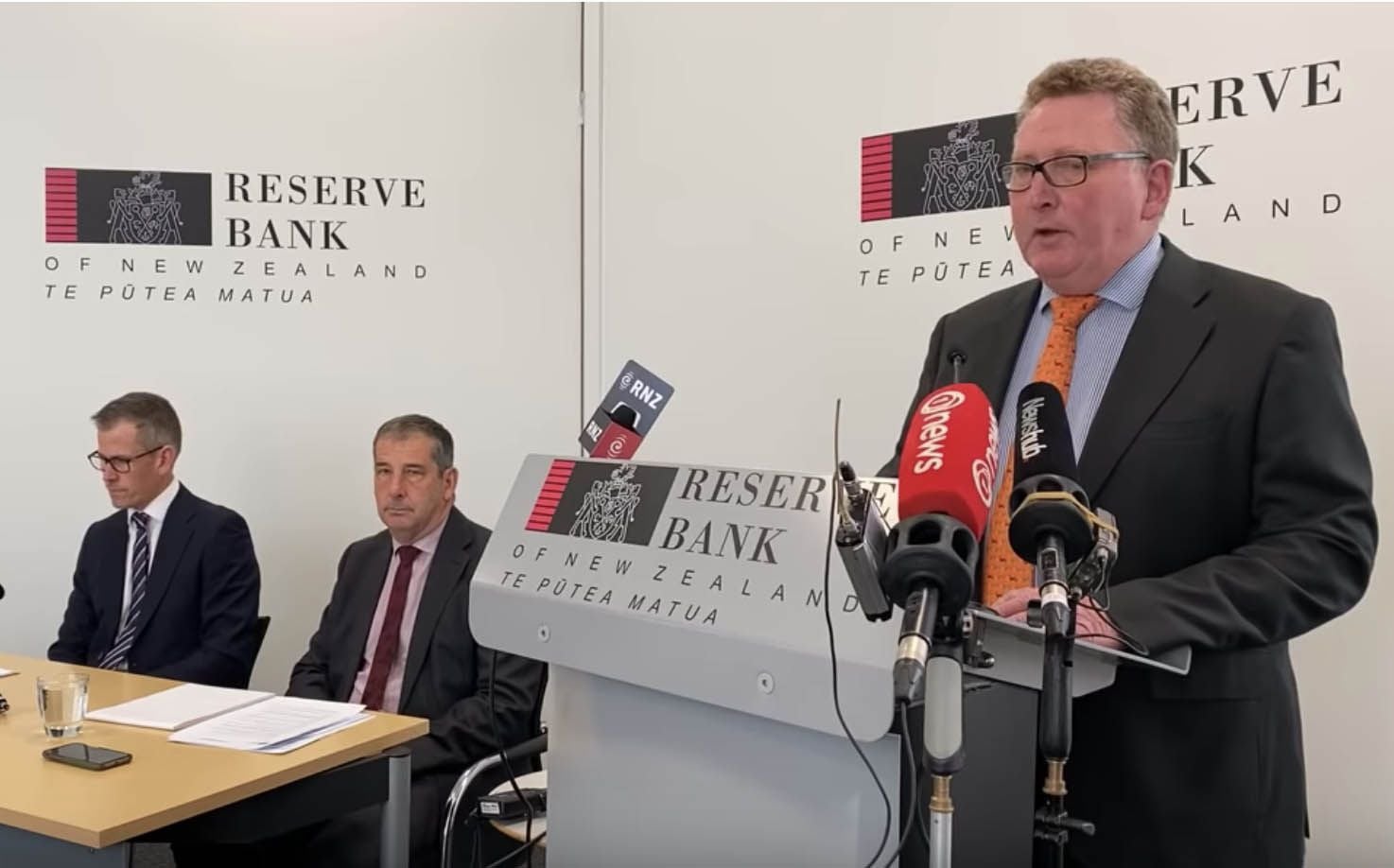
Reserve Bank of New Zealand (RBNZ) Governor Anna Breman has fired a warning shot, stating that public misinformation could seriously weaken the effectiveness of monetary policy in the country. Her remarks, recently published in an October 2026 Bank for International Settlements (BIS) paper, highlight a troubling internal survey showing less than 25% of New Zealanders correctly identify inflation or interest rates as core RBNZ responsibilities without prompting. This isn't just about public relations; it's about the RBNZ ability to manage New Zealand's economy. The central bank's primary job is to maintain price stability by keeping inflation within its 1% to 3% target through tools like the Official Cash Rate (OCR). However, New Zealand has been grappling with elevated inflation, hitting 4.1% in June 2026, well above the target. A public that doesn't understand the central bank's role in fighting rising costs might react unpredictably to policy decisions, complicating efforts to anchor inflation expectations and stabilize the economy. The effectiveness of central bank communication is vital for influencing these expectations, but evidence suggests it's a tough nut to crack. With major banks currently split on whether the RBNZ will raise the OCR further this October from its current 2.75%, all eyes are on the upcoming September quarter Consumers Price Index (CPI) data due out on October 22. Forecasts suggest inflation could even creep higher by year-end, driven by factors like global fuel prices and a weaker New Zealand Dollar. Breman has consistently signaled a readiness to act decisively with rate hikes if inflation pressures intensify. The challenge now is whether the RBNZ can bridge the knowledge gap with the public to ensure its critical policy moves are understood, and thus effective, in cooling prices without causing unnecessary economic jitters.