Real Madrid's World Cup Firepower Outshines Man City's Squad Depth
Context mode is active. Hover over any highlighted term to see its definition. Click a nested term to go deeper.
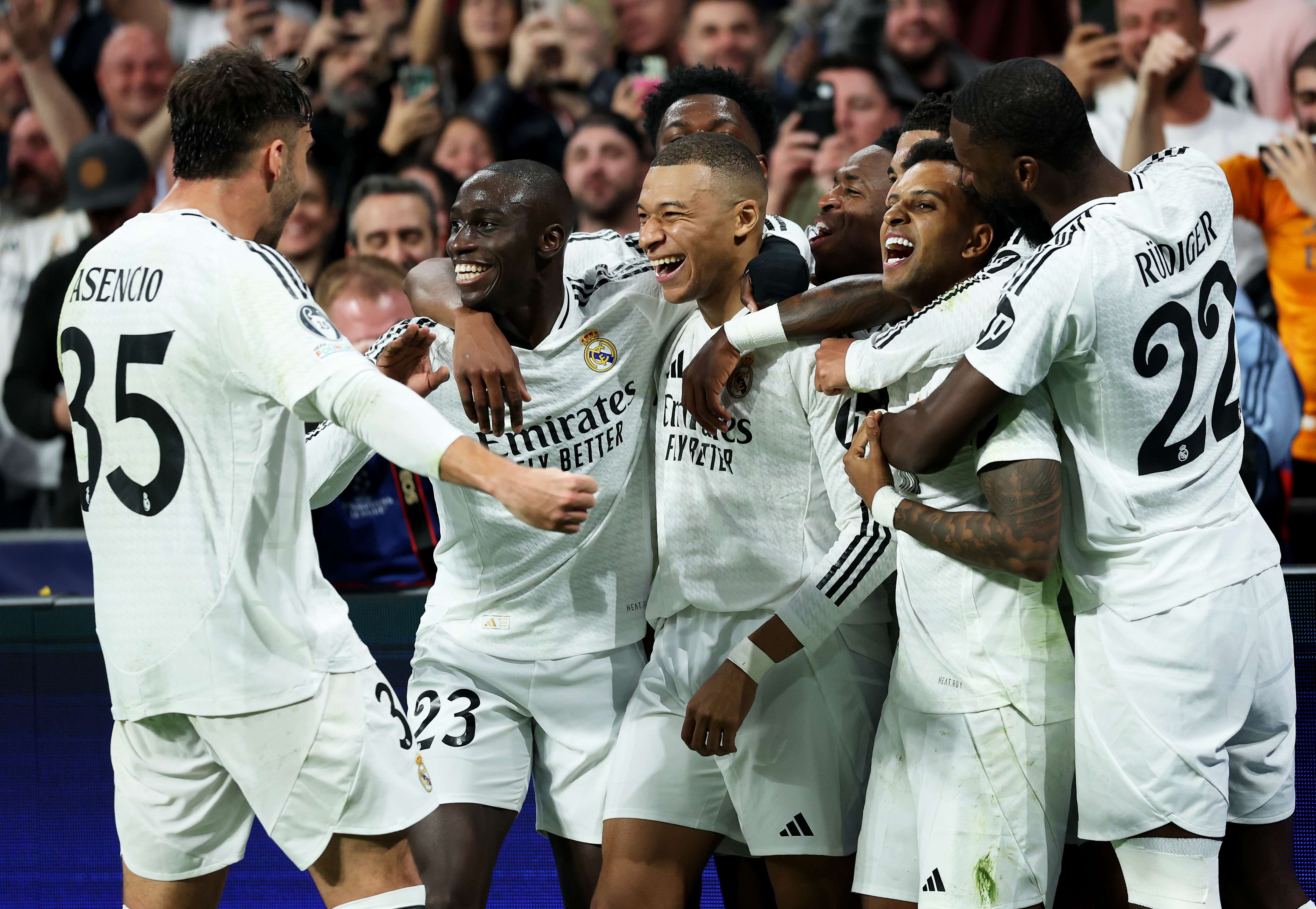
The FIFA World Cup 2026 concluded with a clear club-level narrative: Real Madrid stars delivered an unparalleled attacking spectacle, racking up 34 goal involvements despite having fewer players at the tournament. This performance starkly contrasted with Manchester City, who sent the largest contingent of 19 players to North America but saw significantly less attacking productivity from their ranks. While Spain lifted the coveted trophy, the club dynamics revealed a deeper story of efficiency versus sheer presence on the global stage. Real Madrid's offensive dominance was spearheaded by breakout performances from Kylian Mbappé, who secured the Golden Boot with 10 goals, alongside Jude Bellingham and Vinícius Júnior, who collectively amassed a stunning 22 goals and 12 assists for their national teams. This translated to an impressive 3.4 goal involvements per player for Los Blancos. In contrast, Manchester City's extensive squad, while boasting talents like Erling Haaland who scored 7 goals, managed only nine total goal involvements, relying heavily on individual brilliance rather than widespread contributions. The disparity highlights a shift in how top clubs translate their domestic power into international tournament impact. Looking ahead, this World Cup performance could influence summer transfer strategies and club valuations, especially with City leading the FIFA Club Benefits Programme payouts, receiving an estimated $4.4 million for player releases. Real Madrid's triumphant attacking display, coupled with new signing Marc Cucurella winning the World Cup with Spain, sets a high bar for the upcoming club season. All eyes will be on how these European giants leverage their World Cup successes and lessons learned into their domestic and continental campaigns.