Red Rot Devastates UP Sugarcane, Farmers Eye New Varieties Amid Production Plunge
Context mode is active. Hover over any highlighted term to see its definition. Click a nested term to go deeper.
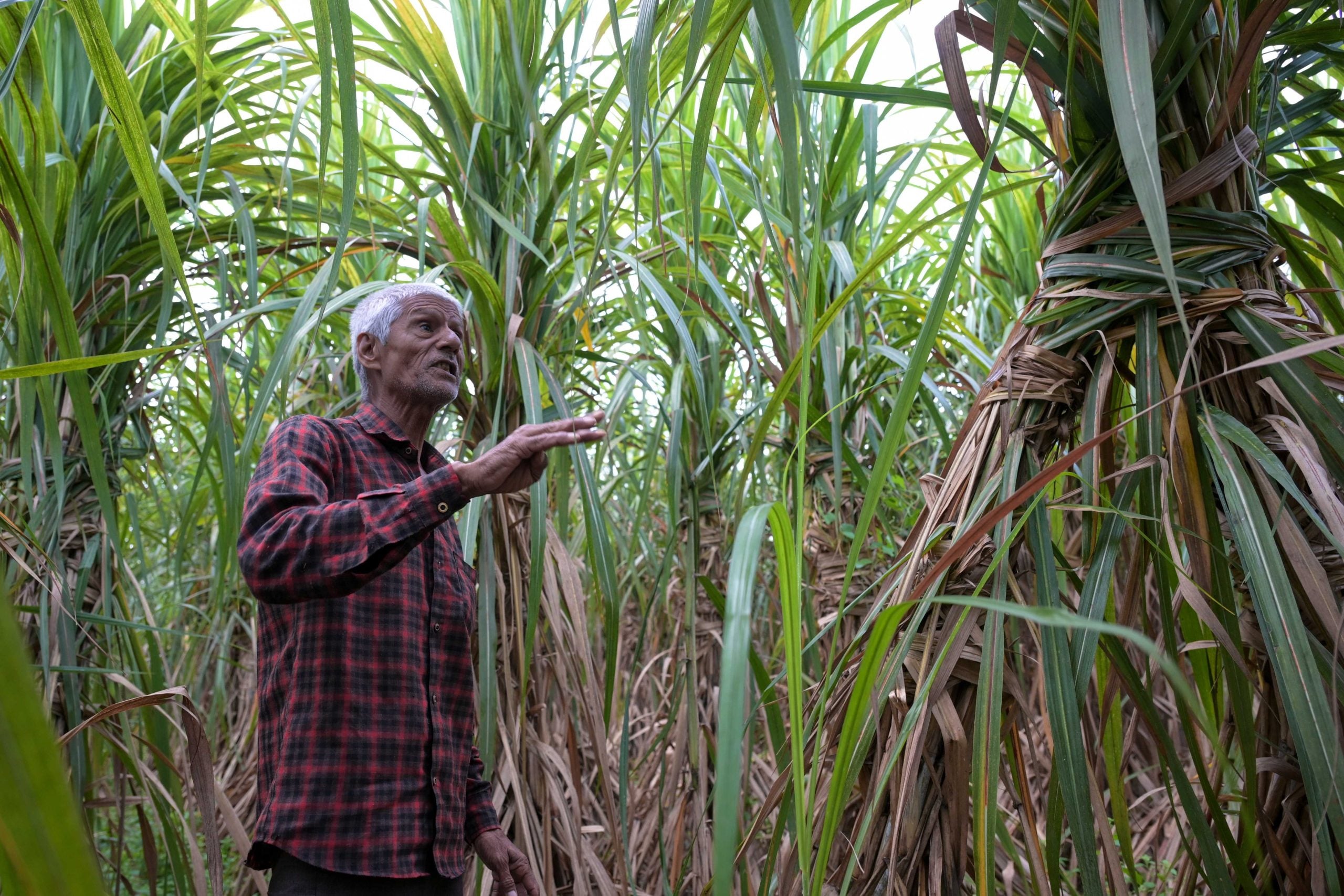
Uttar Pradesh vital sugarcane belt, particularly districts like Baghpat, Meerut, and Muzaffarnagar, is currently reeling from a devastating outbreak of 'red rot' disease, pushing farmers to the brink. This aggressive fungal infection has caused the state's sugar output to plummet by over a fifth, from 126.4 lakh tonnes in 2019-20 to a mere 89.5 lakh tonnes in 2025-26, highlighting a severe agricultural crisis impacting thousands of families. The crisis stems largely from the widespread reliance on a single sugarcane variety, Co-0238, known as Karan 4, which once brought prosperity but has now fallen victim to a new, virulent strain of the red rot fungus, designated as CF13. This 'monoculture' practice, where nearly 90 percent of UP's sugarcane land was covered by Co-0238, created the perfect breeding ground for the pathogen to evolve and overcome the variety's resistance, a phenomenon often referred to as the 'Vertifolia effect'. Farmers are now spending heavily on chemicals, yet are struggling to save their crops, with some even switching to other cultivation to cut their losses. Hopes are now squarely pinned on agricultural scientists and new, disease-resistant varieties. The Indian Council of Agricultural Research's Sugarcane Breeding Institute (ICAR-SBI) in Coimbatore is set to introduce Co-20016, or Karan 20, which has shown strong resistance to the deadly CF13 pathotype in trials. This new variety is expected to be placed before the Central Varietal Release Committee soon and could be available for planting as early as next year, offering a much-needed lifeline to farmers and the state's beleaguered sugar industry.