Rethink the Knife: New Research Shows Common Knee Surgery May Harm More Than Help
Context mode is active. Hover over any highlighted term to see its definition. Click a nested term to go deeper.
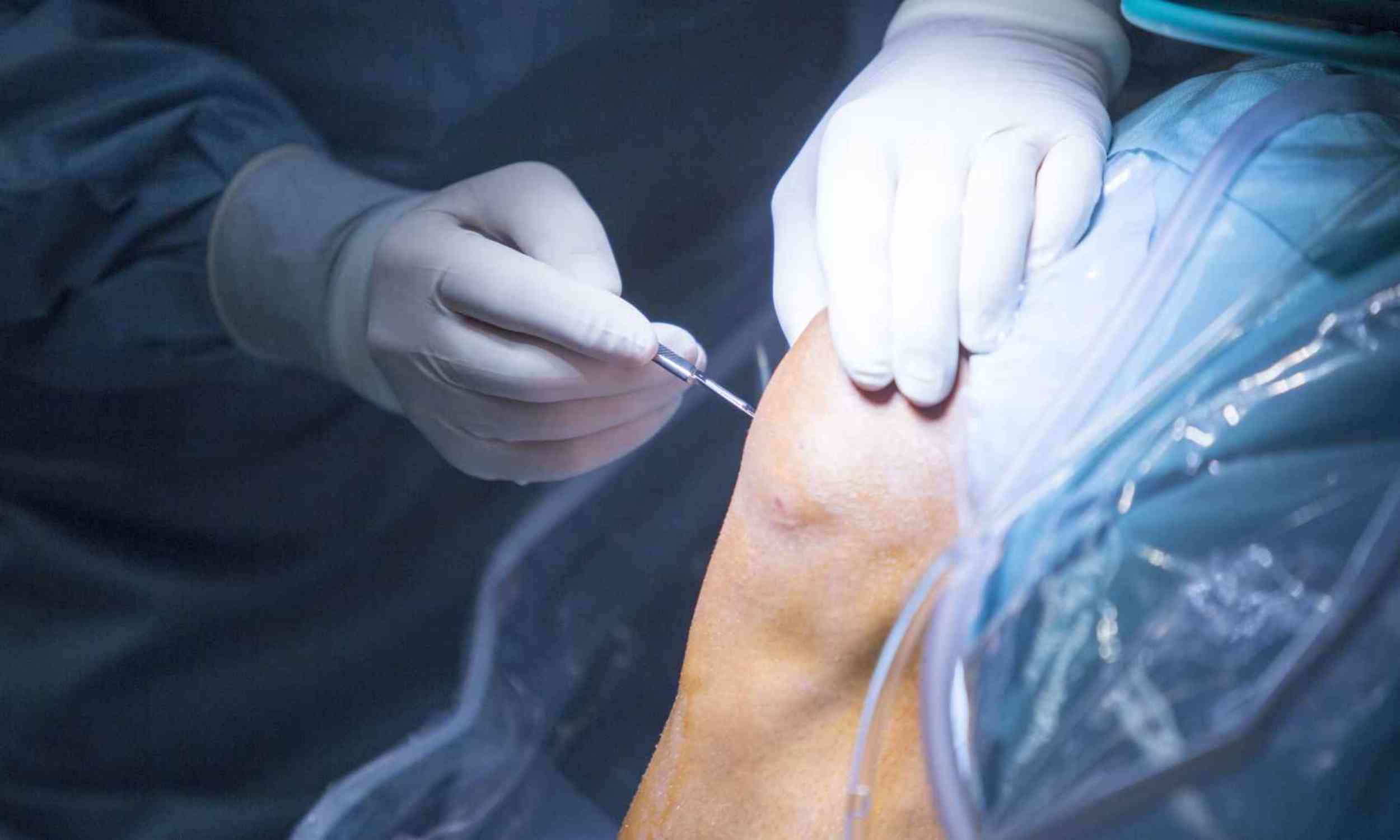
A groundbreaking 10-year study, recently published in the New England Journal of Medicine, delivers a stark warning: a widely performed knee surgery, partial meniscectomy, often provides no benefit for common cartilage issues and can even accelerate osteoarthritis, potentially worsening knee health in the long run. Led by orthopaedic surgeon Professor Teppo Järvinen, the research reveals that patients undergoing this procedure for degenerative meniscus tears experienced poorer knee function and higher rates of further knee issues after a decade compared to those who didn't have surgery. This finding signals a potential 'medical reversal' for a therapy millions have received, challenging traditional orthopaedic wisdom and raising serious questions about current treatment protocols and massive healthcare spending. The study specifically focused on middle-aged and older patients with degenerative tears, distinct from acute, traumatic sports injuries, and suggests that for many, the fix might actually be the problem. While Finland has seen a sharp decline in these surgeries, other regions, including the US, have been slower to adapt, highlighting a global disparity in embracing evidence-based practices. So, what's the alternative? Experts increasingly champion non-surgical approaches like physical therapy, targeted exercises, weight management, and various injections (from corticosteroids to cutting-edge regenerative options) as equally, if not more, effective first-line treatments. This pivotal research underscores a critical shift towards conservative management, urging patients and medical professionals worldwide to explore less invasive paths, with promising advancements in cartilage regeneration therapies also on the horizon.