Rewiring the Brain - The New Indian Express
Context mode is active. Hover over any highlighted term to see its definition. Click a nested term to go deeper.
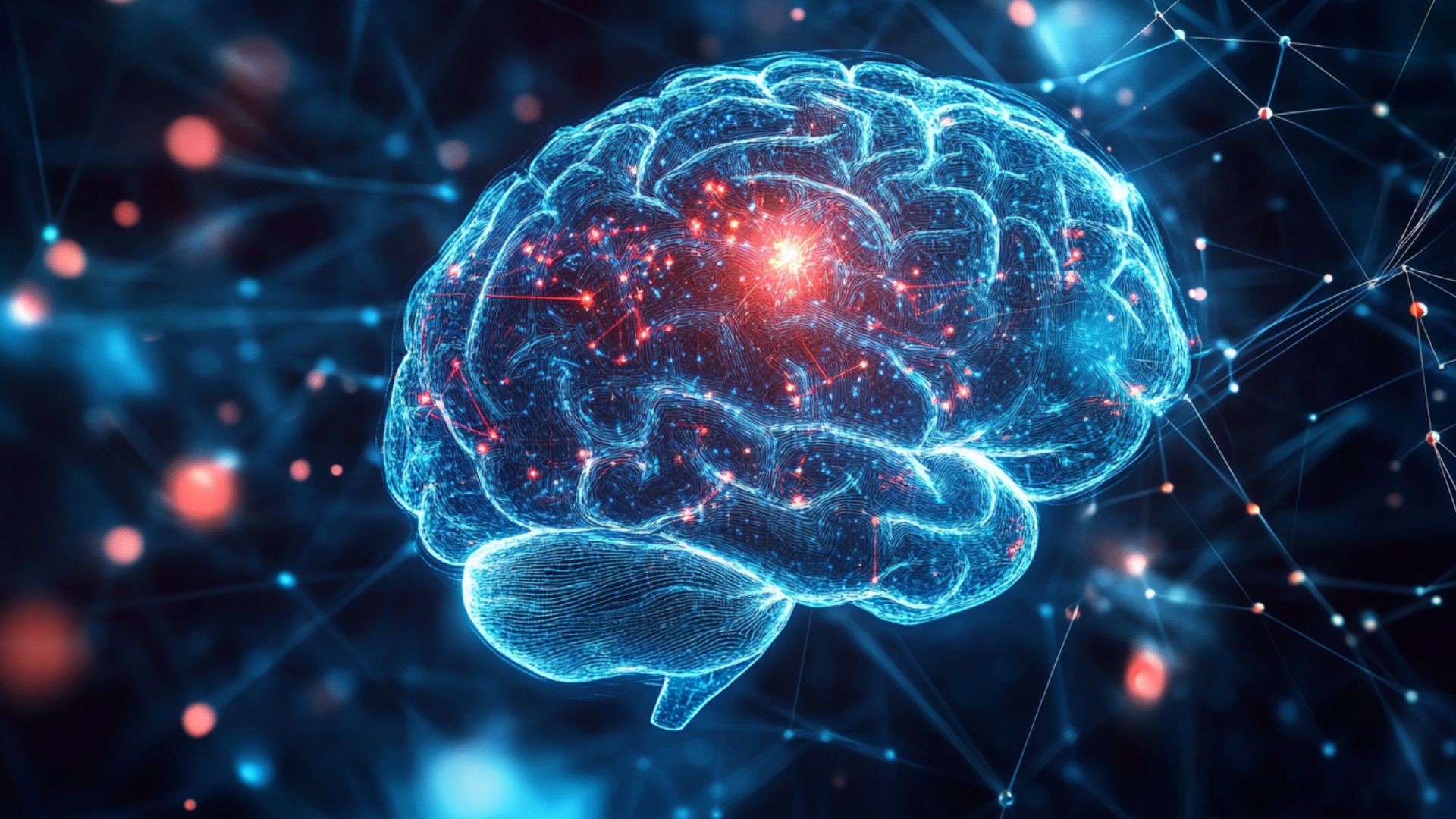
Forget what you thought you knew about how long it takes to change your brain: recent breakthroughs in neuroscience are showing that meditation can 'rewire the brain' and body in astonishingly short periods, some as little as a week or even minutes. This isn't just about feeling calmer; studies from late 2025 and early 2026, notably from the University of California San Diego and India's National Institute of Mental Health and Neurosciences, are revealing measurable shifts in brain activity and even blood biology, confirming meditation powerful ability to enhance neuroplasticity and overall well-being. These rapid changes are profoundly impacting key brain regions. Researchers are observing reduced activity in the Default Mode Network (DMN), the brain's 'autopilot' responsible for mind-wandering, leading to sharper focus and less rumination. Simultaneously, meditation is increasing the thickness and activity of the Prefrontal Cortex (PFC), vital for decision-making and emotional regulation, while shrinking the Amygdala, our brain's fear center, dampening stress responses. Intriguingly, some intensive meditation experiences have even mirrored the brain states typically induced by psychedelics, but without any drugs, offering a new frontier for mental health interventions. The implications are massive, especially for countries like India grappling with a significant burden of neurological health issues. This fresh evidence strengthens the case for integrating meditation into mainstream health practices, from stress reduction to enhancing cognitive function and emotional resilience. As researchers continue to explore how these practices influence everything from gray matter density to immune signaling and natural pain relief, we're on the cusp of truly 'rewiring' our approach to mental and physical health. Keep an eye out for how this ancient wisdom, now validated by cutting-edge science, shapes future therapeutic landscapes.