Russia-China Tourism Booms: Visa-Free Travel Fuels Massive Influx, New Train Launched
Context mode is active. Hover over any highlighted term to see its definition. Click a nested term to go deeper.
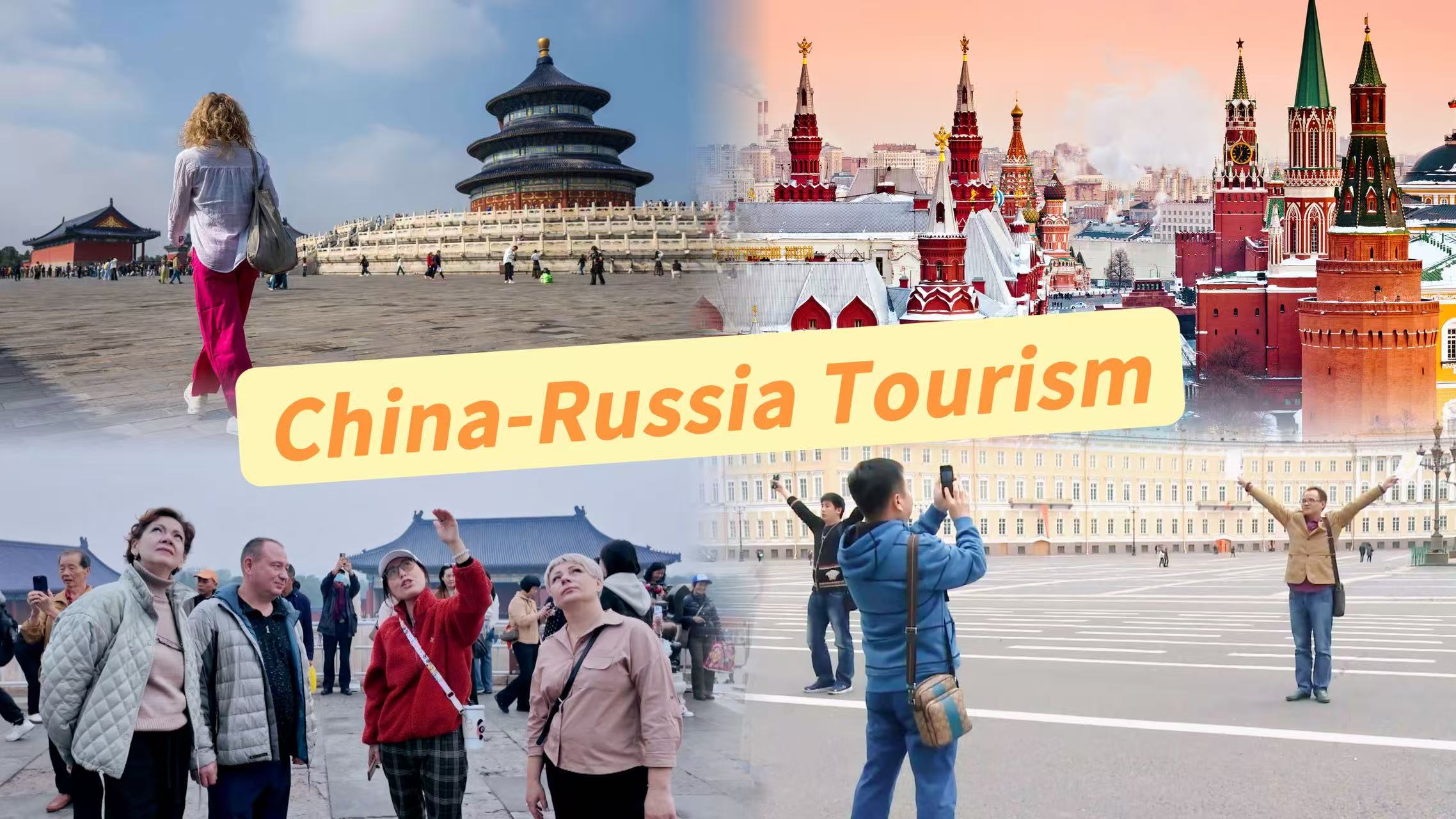
Tourist numbers from China to Russia are set to jump by an impressive 27-35% by the end of 2026, according to Maya Lomidze, Executive Director of the Association of Tour Operators of Russia (ATOR). This surge follows the recent extension of the reciprocal visa-free policy between both nations until December 31, 2027, and is further bolstered by the launch of a new cross-border tourist train connecting China's Suifenhe with Russia's Vladivostok on July 20, 2026. The new rail service, now on trial, provides a direct eight-hour journey for organised tourist groups, significantly simplifying travel and deepening connectivity. This rapid growth is a strategic win for Russia, which has actively pivoted its tourism focus towards Asian markets amidst ongoing geopolitical tensions with Western nations. China has become Russia's largest international tourism source, accounting for over 50% of all tourism-purpose arrivals in 2025, with approximately 834,460 Chinese travelers visiting Russia. The weaker Russian ruble has also made Russia a more affordable and attractive destination, while high-level diplomatic engagements, including President Vladimir Putin recent visit to China, continue to foster comprehensive strategic coordination and strengthen people-to-people exchanges. Looking ahead, the extended visa-free travel and new infrastructure like the Suifenhe-Vladivostok train are expected to maintain this upward trajectory, with some forecasts suggesting an even higher increase in mutual tourist flow between Russia and China. Russian Economic Development Minister Maxim Reshetnikov projects overall foreign tourist arrivals to Russia to reach 6.5 million in 2026, highlighting Asian nations as key targets. This sustained momentum will not only boost Russia's tourism sector but also solidify the economic and cultural ties between the two powerful nations well into 2027 and beyond.