Russia Doubles Down on India's Energy Needs, Slams Western 'Pressure Tactics'
Context mode is active. Hover over any highlighted term to see its definition. Click a nested term to go deeper.
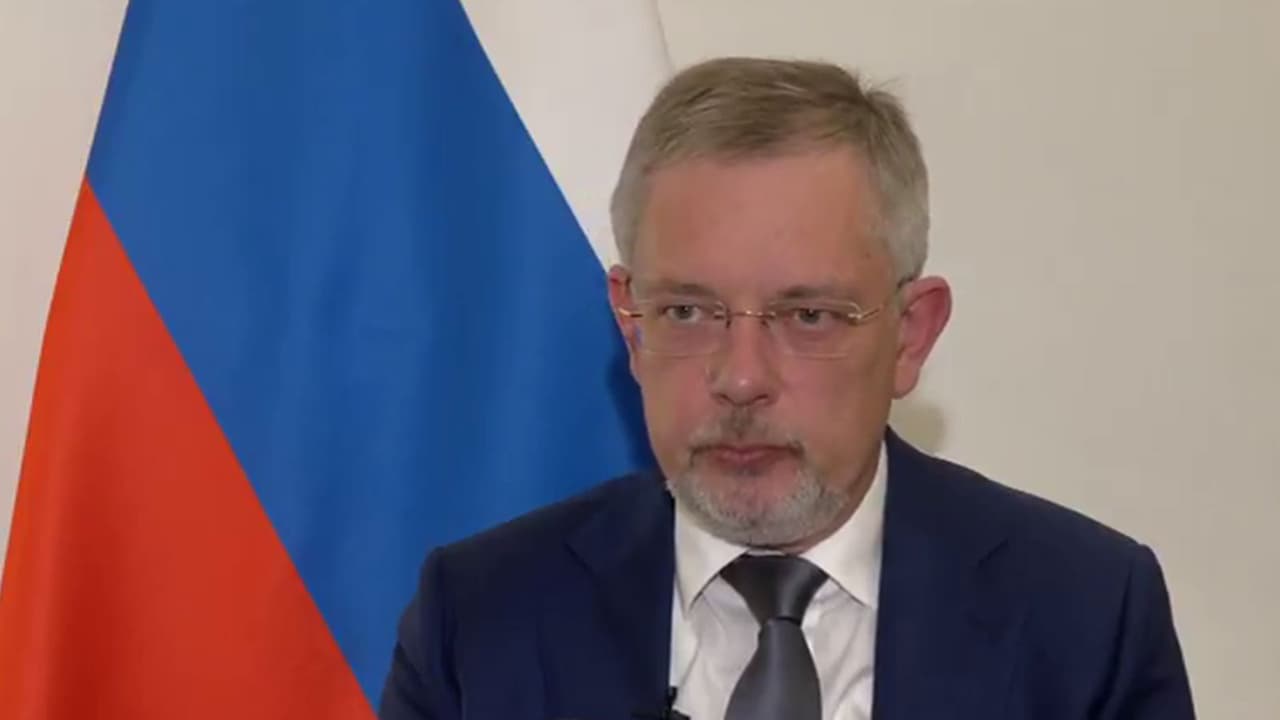
Russian Ambassador to India, Denis Alipov, today reaffirmed Moscow's unwavering commitment to meet India's energy demands, sharply criticizing Western sanctions on Russian oil as mere 'pressure tactics' rather than fair cooperation. His strong statements come amidst a significant move by the US Senate last month, which passed legislation potentially imposing hefty 100% tariffs on countries, including India, that continue to import Russian oil and gas. This sets the stage for a high-stakes standoff as New Delhi champions its sovereign right to pursue energy security. India has dramatically increased its purchases of discounted Russian crude, with Russia becoming its largest supplier since 2022. In July 2026, over half of India's oil imports – a record 50.83% – came from Russia, though this dipped slightly to 45% in August due to various market factors like tighter Russian supply and increased competition from China. Despite pressure, India's External Affairs Minister S. Jaishankar emphasized on Thursday that the Russia-Ukraine conflict cannot be solved by dictating oil purchases, highlighting India's consistent independent foreign policy in safeguarding its vital national interests. The ongoing disruptions in Middle Eastern supply, particularly around the Strait of Hormuz, have further pushed India towards accessible Russian barrels. The immediate future will likely see New Delhi navigating increased Western scrutiny, especially if the US House of Representatives approves the proposed tariff bill. Russia, for its part, has extended its ban on oil supplies subject to the G7 price cap until end-2027, signaling its long-term resolve. Adding another layer to this deepening partnership, India is set to be the first official partner country at the Russian Energy Week in October 2026, showcasing ongoing energy cooperation and potential new ventures. This intricate dance of diplomacy and trade underscores how global energy markets and geopolitical alignments continue to shift, making India's strategic choices more crucial than ever.