Russia-North Korea Alliance Deepens: Missiles Fly, Troops Prepare, and a New Road Nears
Context mode is active. Hover over any highlighted term to see its definition. Click a nested term to go deeper.
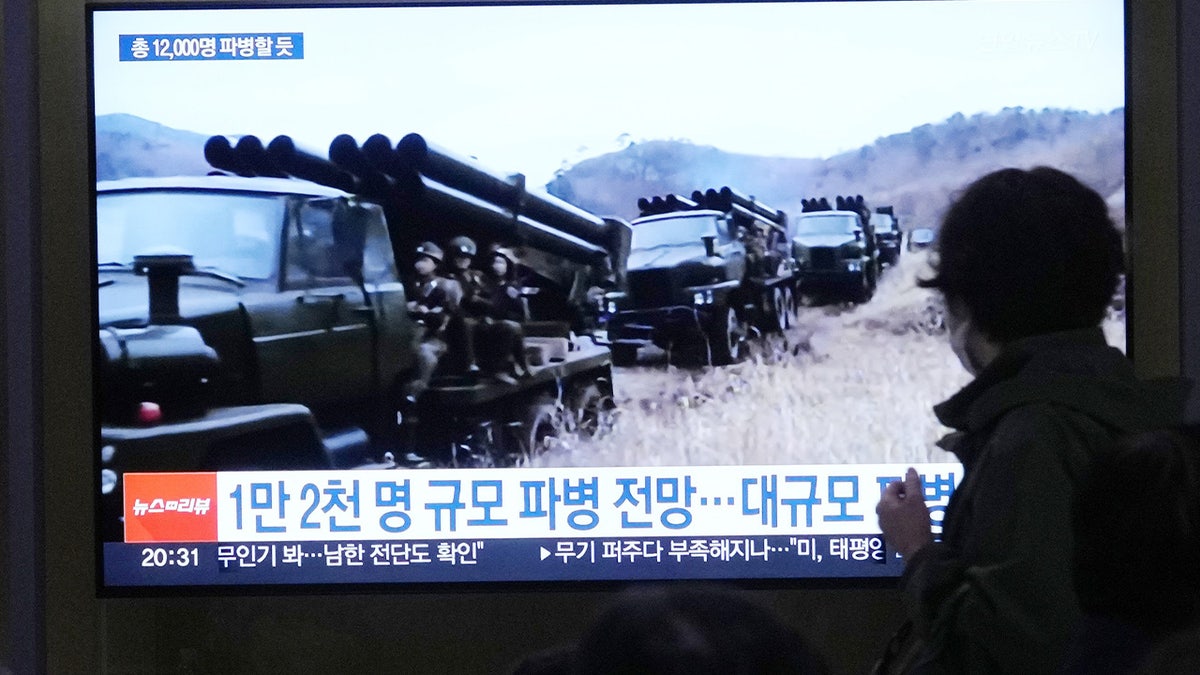
The transactional nature of the Russia-North Korea relationship is rapidly solidifying into a profound strategic alliance, marked this week by reports of Russia's renewed use of North Korean ballistic missiles in a deadly strike near Ukraine's Kryvyi Rih. This development, the first such reported use in nearly a year, suggests Moscow has received fresh stockpiles from Pyongyang, signaling an intensified missile campaign against Ukrainian cities. Ukrainian President Volodymyr Zelenskyy has starkly warned that Russia is now preparing to incorporate another 30,000 North Korean troops, with accommodation facilities reportedly being readied in Russia's Voronezh region since June. This potential deployment would significantly expand on the estimated 14,000 North Korean soldiers already believed to have fought in Ukraine, further solidifying a mutual defense pact signed in June 2024. Pyongyang is receiving crucial technology for its space, nuclear, and drone programs in return, with Russia even improving North Korean ballistic missile accuracy and sharing that expertise, bolstering North Korea's military capabilities and giving its troops invaluable combat experience. The deepening ties extend beyond military aid; a direct road link, the Tumen River Bridge, is nearing completion between Khasan, Russia, and Tumangang, North Korea. While officially for trade and tourism, analysts suspect this bridge is designed to be a discreet military logistics corridor, making it harder to track movements via satellite. With Russia having vetoed the UN Panel of Experts that monitored North Korea sanctions in March 2024, the international community faces reduced visibility and increased challenges in curbing this rapidly evolving axis, raising serious concerns for global non-proliferation efforts and regional stability.