Russian oil exports total 7.35 mln bpd in May, revenues fall to $20.79 bln — IEA
Context mode is active. Hover over any highlighted term to see its definition. Click a nested term to go deeper.
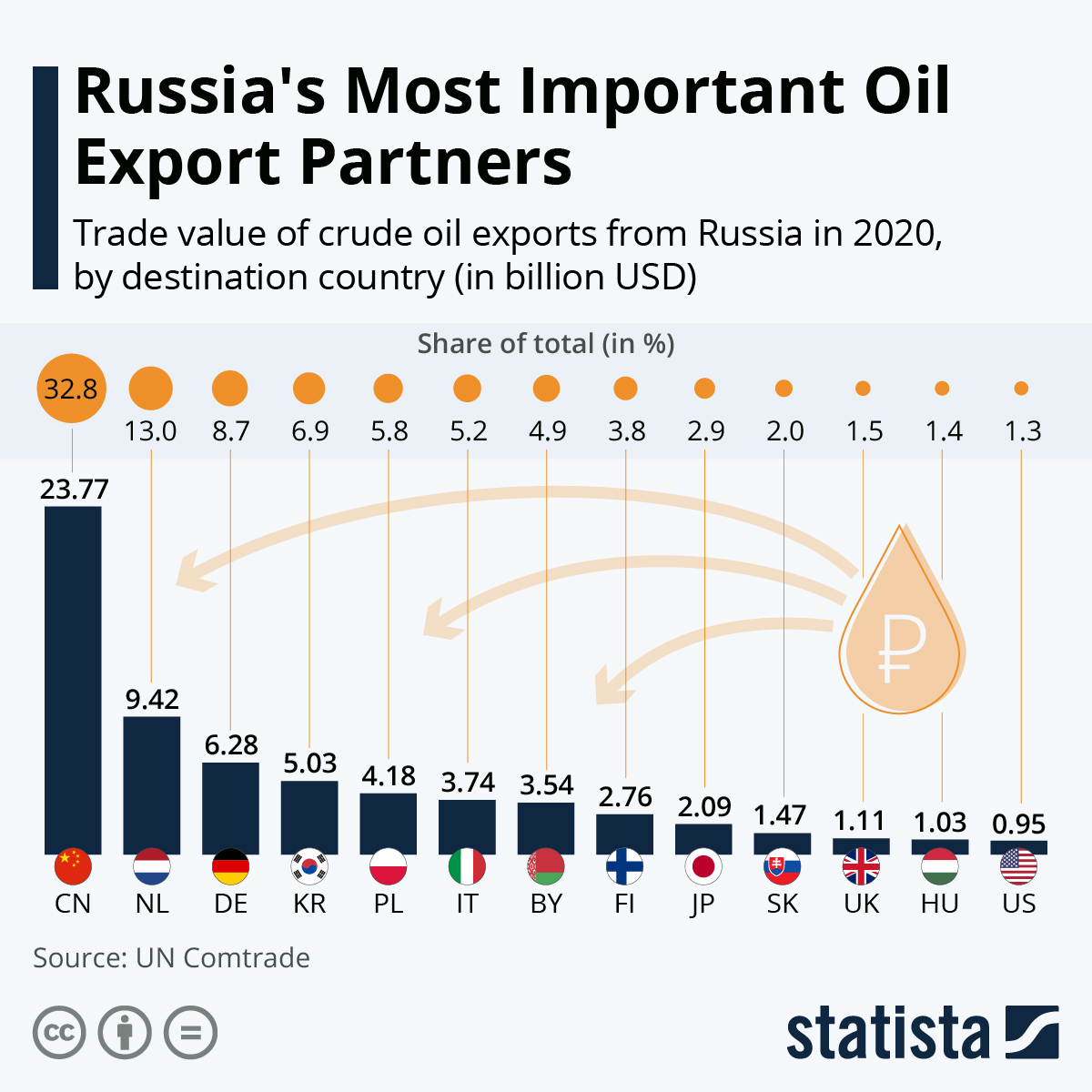
A paradoxical shift is underway in Russia's energy complex: despite Ukrainian drone strikes crippling its domestic refining capacity and causing a 10% production shortfall against its May target, the nation's total crude oil exports surprisingly surged by 170,000 barrels per day. This unexpected increase, however, did not translate to higher earnings, as Moscow's total oil export revenues plummeted to $20.79 billion in May, a $710 million drop month-on-month, largely due to easing global prices and deeper discounts on its Urals crude. The International Energy Agency (IEA) reports that Russia has been forced to prioritize domestic supplies of petroleum products, redirecting raw crude to international markets at significant discounts to keep barrels flowing and fund its ongoing war. This strategy underscores the intense pressure from Ukraine escalating long-range strikes, which have specifically targeted Russian energy infrastructure, including refineries and export terminals, forcing unplanned maintenance and reducing refinery throughput to multi-year lows. The G7 price cap, intended to curb Moscow's earnings, continues to be circumvented, with Urals crude trading well above the $44.1 per barrel limit, often facilitated by a growing fleet of 'shadow tankers' and consistent demand from major buyers like China and India. Looking ahead, the Kremlin faces a delicate balancing act: sustaining export volumes to bolster its budget while battling domestic fuel shortages exacerbated by the refinery damage. Russia's largest oil companies, including Rosneft, have already imposed local fuel restrictions, signaling a deepening crisis on the home front. The IEA has lowered its 2026 crude forecast for Russia, suggesting a sustained period of reduced output, while the ongoing cat-and-mouse game between Western sanctions and Russian adaptations will dictate global oil market stability and Moscow's future war chest. Observers will be closely watching for any further G7 policy adjustments or intensified Ukrainian strikes that could genuinely tighten the screws on Russia's energy lifeline.