Russian Urals plant working to expand strike capabilities for Forpost UAV system
Context mode is active. Hover over any highlighted term to see its definition. Click a nested term to go deeper.
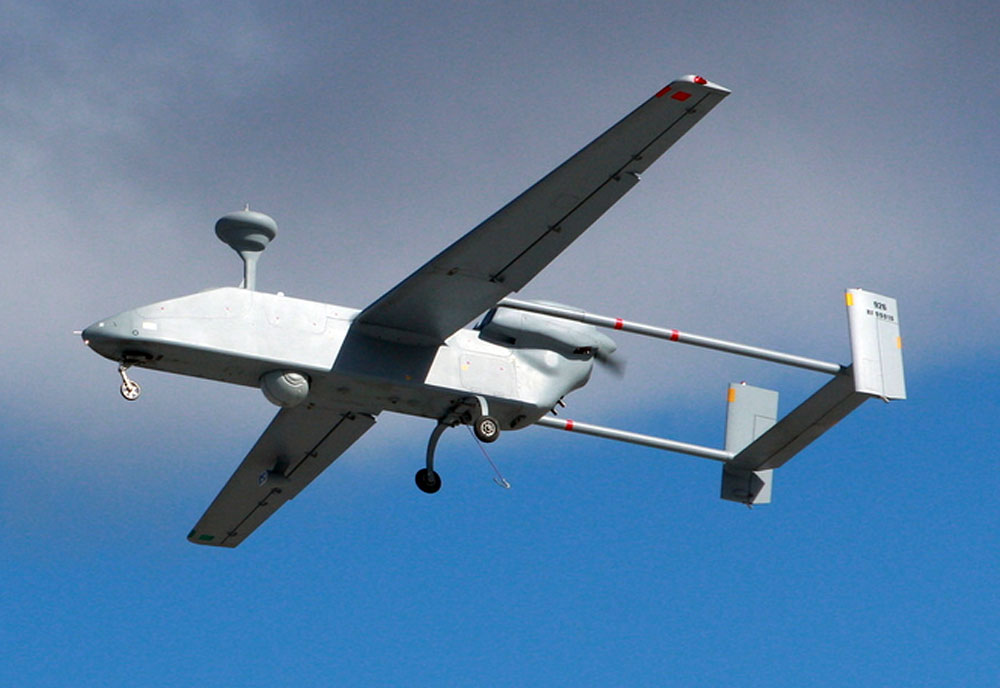
In a critical development reflecting the accelerating unmanned warfare landscape, Russia's Urals Civil Aviation Plant (UZGA) is actively working to expand the strike capabilities of its Forpost UAV system, adapting it for new, unified munitions. This announcement, made today by UZGA representative Ekaterina Zgirovskaya at the National Security. Belarus 2026 exhibition, signals a further escalation in Russia's drone warfare strategy, aiming to enhance the system's operational flexibility and payload options in ongoing conflicts. The Forpost, initially a licensed variant of Israel's IAI Searcher Mk II, has undergone extensive modernization to become a fully localized Russian-made reconnaissance-strike UAV, proven in combat theaters from Syria to Ukraine. Recent upgrades have focused on equipping the drone with advanced payloads, including guided missiles like the KAB-20 and glide bombs, with developers now exploring the integration of loitering munitions and compact X-band AESA radars to boost its targeting and strike precision. This strategic push comes as drone warfare intensifies globally, with UAV accounting for an estimated 60-70% of all losses in the Ukraine conflict by 2025, forcing both belligerents into a rapid technological arms race for battlefield dominance. This expansion of Forpost's strike capabilities underscores Russia's commitment to developing sophisticated, domestically produced unmanned systems that can operate effectively even under heavy electronic warfare conditions. As Ukraine leverages its own drone innovations to disrupt Russian logistics and command structures, Moscow's move to enhance its key reconnaissance-strike platform will likely further reshape battlefield dynamics, making drone-on-drone engagements and contested airspace even more critical. The ability to deploy unified munitions and potentially loitering munitions from the Forpost could provide Russia with more versatile and cost-effective strike options, influencing future offensive and defensive operations.