Saharanpur Mosque Demolition Ignites Political Firestorm, Sparks 'Murder of Democracy' Outcry
Context mode is active. Hover over any highlighted term to see its definition. Click a nested term to go deeper.
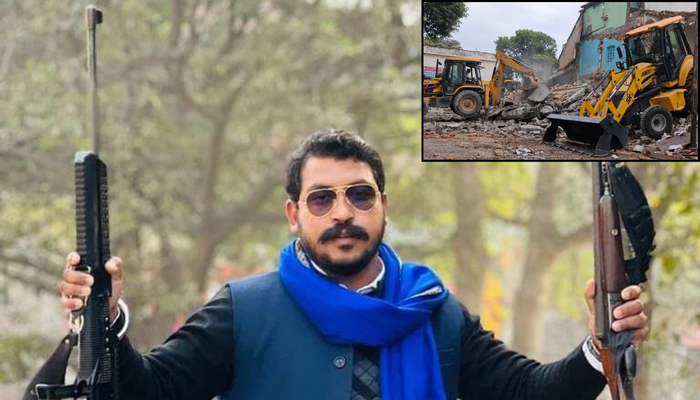
A century-old mosque located within Uttar Pradesh Saharanpur Collectorate complex was controversially demolished on Saturday, September 5, 2026, triggering widespread outrage and strong condemnation from opposition leaders and Muslim organizations across India. Bhim Army chief and Nagina MP Chandra Shekhar Aazad led the charge, slamming the demolition as a 'murder of democracy and Constitution' and alleging betrayal by district authorities who, he claims, assured him only of sealing, not razing, the structure. The pre-dawn action, carried out under heavy security, has ignited a fresh political flashpoint in the state. The demolition followed a District Judge's court order on September 2, 2026, which upheld an earlier City Magistrate's order from July 16, 2026, declaring the mosque an illegal encroachment on government land and imposing a hefty penalty of around ₹6.41 crore. However, critics argue that the City Magistrate's order was primarily for 'eviction' and not explicit 'demolition,' denying the mosque committee adequate time to appeal to the High Court of India. Muslim bodies and leaders like AIMIM chief Asaduddin Owaisi have questioned the haste, claiming the mosque had deep historical roots, potentially predating the Collectorate itself, and alleging a broader pattern of targeting religious structures. The legal battle is far from over, with Chandra Shekhar Aazad and other opposition figures vowing to challenge the demolition in the High Court. The incident has intensified calls for upholding the Constitution of India guarantees of religious freedom and due process, as leaders like Kairana MP Iqra Hasan were reportedly placed under house arrest to prevent them from reaching the site. This ongoing confrontation highlights deep-seated tensions over land disputes, religious rights, and administrative actions in Uttar Pradesh, with its ripple effects likely to be felt in state and national politics for months to come.