Saudi Arabia Levels New Allegations: Iran Fueled Houthi's Advanced Strikes
Context mode is active. Hover over any highlighted term to see its definition. Click a nested term to go deeper.
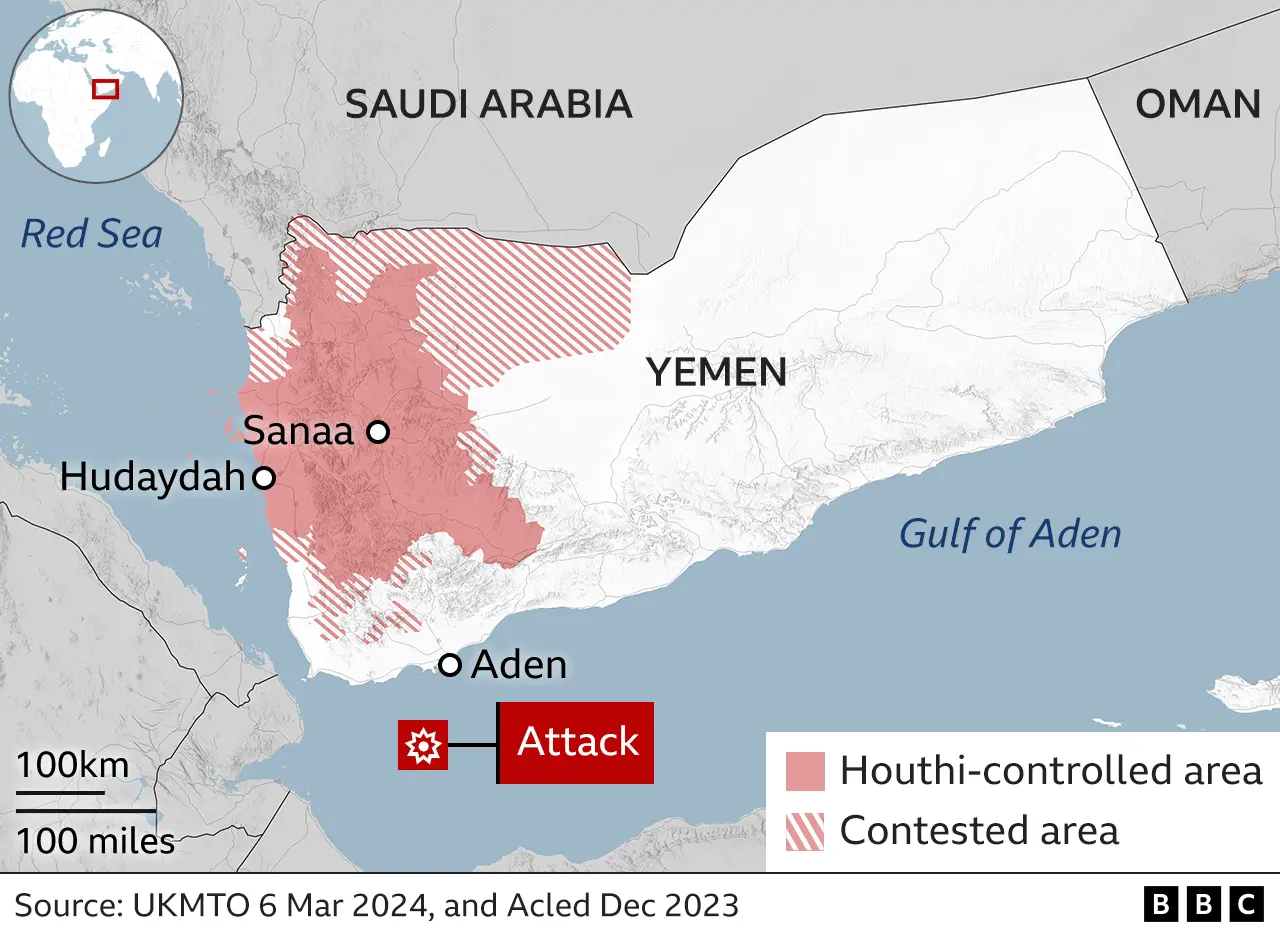
Saudi Arabia has sharply escalated its accusations against Iran, stating that Tehran is actively encouraging and equipping Yemen's Houthi rebels with advanced military technology, including ballistic missiles, drones, and explosive-laden fast boats. These allegations come as Houthi attacks on Saudi civilian infrastructure, most notably 20 strikes on King Khalid International Airport in Riyadh this month, have resulted in at least 17 deaths and hundreds of injuries. Riyadh's deputy foreign minister for public diplomacy, Rayed Krimly, highlighted that Iran actions violate UN Security Council resolutions, deepening the already volatile regional tensions. The renewed hostilities are a direct consequence of the Yemen Civil War reigniting in July 2026, following the collapse of a UN-brokered truce, amidst a wider Middle East War that flared up with US-Israeli strikes on Iran earlier this year. The Saudi-led coalition, responding to the Houthi barrage, has conducted retaliatory strikes in Yemen, but the rebels remain undeterred, even seizing islands to fortify their control over the critical Bab al-Mandeb Strait. This relentless escalation has significantly pushed up global oil prices and prompted the US to consider direct involvement against the Houthis, signaling a dangerous expansion of the conflict. With diplomatic efforts faltering—Houthis recently refused to meet in Oman for talks, and Iran shows no signs of making concessions—the international community is bracing for further instability. The UN Security Council is expected to issue a presidential statement condemning the Houthi attacks and affirming Saudi Arabia right to self-defense, while Yemen's foreign minister, Afrah Al-Zouba, warns that the Houthis, if left unchecked, could become 'undefeatable monsters.' The focus now shifts to how regional and global powers will respond to prevent a full-blown regional conflagration and protect vital maritime routes.