SC to EC: Voter Deletion Doesn't Strip Citizenship Rights, Powers Defined
Context mode is active. Hover over any highlighted term to see its definition. Click a nested term to go deeper.
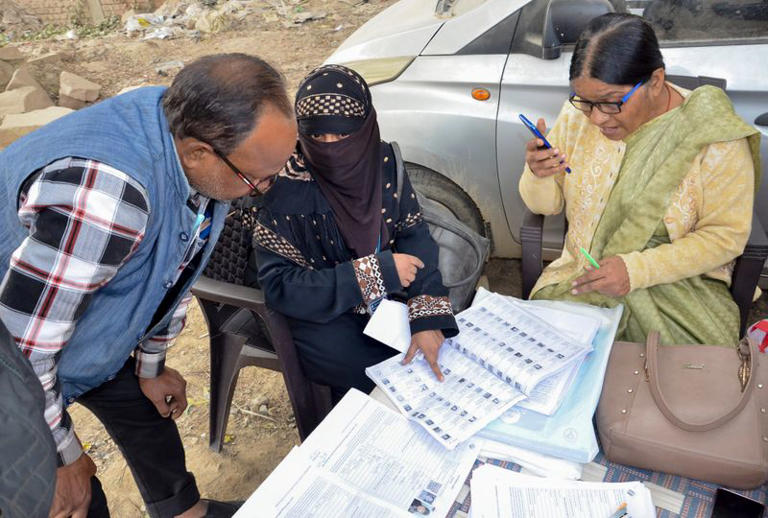
In a pivotal move for democratic rights, India's Supreme Court has unequivocally declared that the Election Commission (EC) cannot decide who is a citizen, affirming that the deletion of a voter's name from electoral rolls does not automatically strip them of their citizenship status. This landmark ruling sharply defines the boundaries of power, emphasizing that the EC's authority is strictly limited to managing electoral processes and not to adjudicating fundamental citizenship rights. This judgment arrives amid persistent debates over citizenship in India, particularly against the backdrop of initiatives like the National Register of Citizens (NRC) and the contentious push for Aadhaar-Voter ID linking. The Court's decision reinforces that the complex matter of citizenship is governed by specific laws, like the Citizenship Act, 1955, and is the domain of designated tribunals and the Ministry of Home Affairs, not an administrative electoral body. Legal experts believe this will safeguard individuals from arbitrary loss of citizenship based solely on administrative electoral decisions, protecting a fundamental right. The ruling is expected to prompt the Election Commission to re-evaluate its internal guidelines for voter deletion to align with this clear demarcation of powers. Watch for potential ripple effects on how future electoral reforms are implemented, ensuring that administrative convenience does not impinge upon the constitutional rights of citizens. This decision sets a crucial precedent, underscoring the judiciary's role in upholding the fundamental distinction between electoral eligibility and national identity.