Scientists Embark on Critical Greenland Mission to Unravel Atlantic Current Collapse Risk
Context mode is active. Hover over any highlighted term to see its definition. Click a nested term to go deeper.
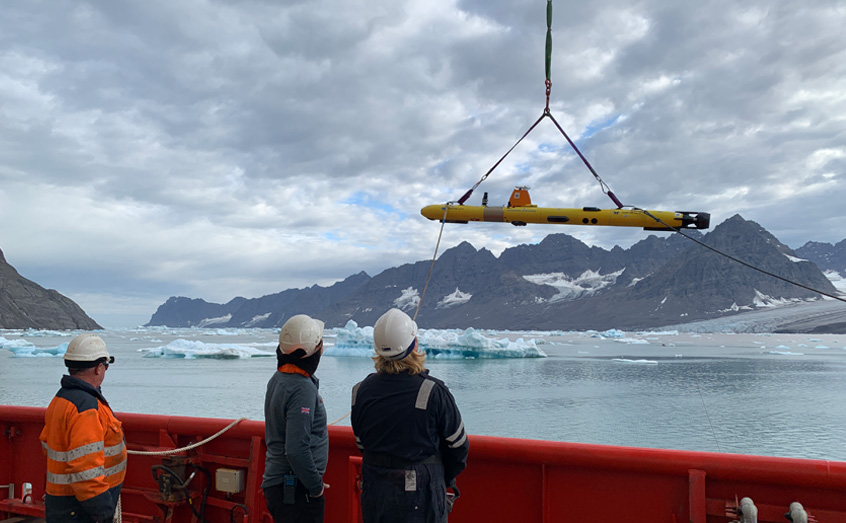
A specialized international team of around 80 scientists and crew has set sail from Harwich, England, aboard the UK's polar research vessel RRS Sir David Attenborough for a critical six-week mission to Greenland. Their urgent goal: to investigate how the island's rapidly melting tidewater glaciers are dumping freshwater into the Atlantic, potentially disrupting a crucial ocean current system that regulates Europe's climate, a phenomenon that could lead to widespread and extreme weather shifts across the continent. This expedition, part of the £20 million GIANT project, comes as Europe grapples with record-warm June temperatures, underscoring the immediate stakes of understanding these accelerating climate changes. Scientists are increasingly concerned that the massive influx of freshwater from Greenland melting ice sheet could weaken the Atlantic Meridional Overturning Circulation (AMOC), often called the 'planet's ocean conveyor belt,' which brings warm, salty water north. This could put a 'cap' on the North Atlantic Subpolar Gyre, reducing the water's ability to sink and slowing the AMOC, with some studies from earlier this year predicting a 42-58% weakening by 2100, or even a potential collapse by the 2040s. The expedition, led by the British Antarctic Survey, will deploy cutting-edge tools like marine robots, airborne drones, and even the famous submersible 'Boaty McBoatface' to gather unprecedented data on glacier-ocean interactions, which current climate models don't fully capture. The data collected from areas like Kangerlussuaq Fjord, and later the Petermann Glacier, will be vital for improving next-generation climate models and developing a prototype Early Warning System for rapid glacier change. This initiative is crucial for better predicting global climate impacts, from severe European weather to rising sea levels, and understanding if the AMOC weakening is reversible. With other Arctic expeditions from China and France also underway this summer, the scientific community is making a concerted effort to grasp the profound and complex changes unfolding in the Arctic, changes that will ultimately shape global climate for decades to come.