Scientists Tackle Coffee's Tiny Terror: New Hope Against the Caffeine-Loving Beetle
Context mode is active. Hover over any highlighted term to see its definition. Click a nested term to go deeper.
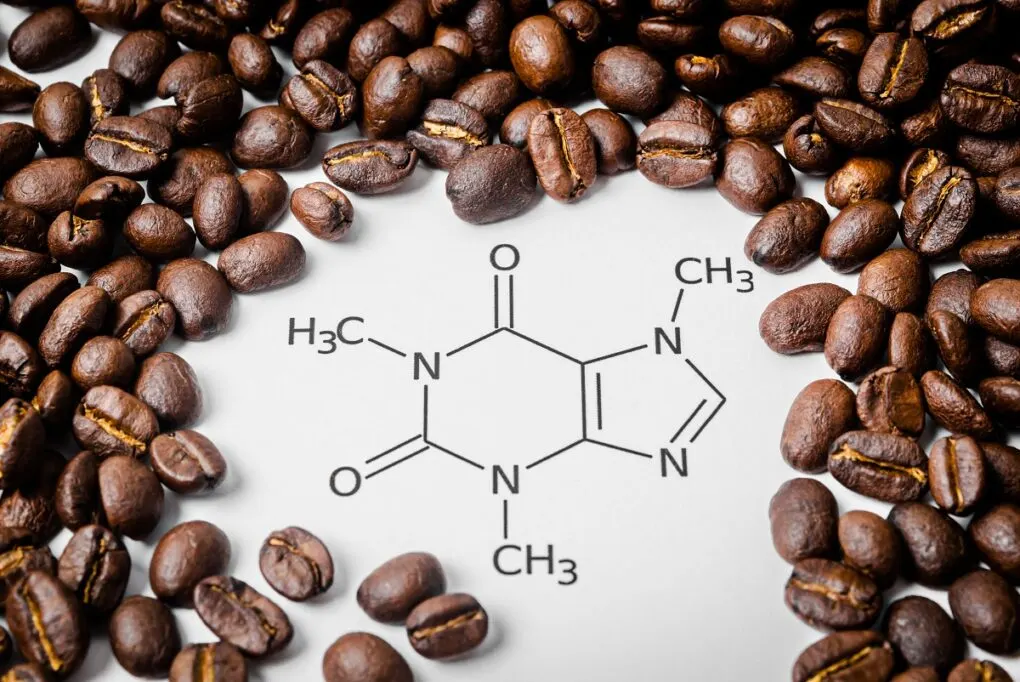
The world's daily coffee fix is under a renewed threat from the coffee berry borer (CBB), a tiny beetle that eats coffee beans from the inside out, causing over $500 million in annual damage globally. However, fresh research from Northern Arizona University offers a groundbreaking new strategy: targeting the beetle's unique gut bacteria that allow it to digest caffeine, a substance toxic to most other insects. This innovative approach, led by Ph.D. student Lynn Bonomo, aims to disarm the pest from within, potentially safeguarding billions of coffee cups worldwide. The CBB, or Hypothenemus hampei, has long been coffee's most destructive pest, able to consume about 100 times more caffeine than a human relative to its body weight, thanks to specific bacteria in its gut microbiome. Past efforts like traditional pesticides often harm beneficial insects, while biological controls such as Beauveria bassiana fungus or parasitoid wasps struggle once the beetle burrows into the berry. The challenge is amplified by climate change, which allows these beetles to spread further and reproduce faster in areas previously too cool for them. Latest solutions also include advanced drone-based L-system imaging software from Australia, which detects infestations early by spotting the 'frass' (beetle debris) on coffee plants. Bonomo's work at NAU, still in early stages, focuses on developing a simple, farmer-friendly solution like a 'fertilizer powder or pesticide-like spray' that would make the beetles unable to tolerate caffeine and force them to stay outside the bean, exposed to other controls. If successful, this could revolutionize pest management not just for coffee, but potentially for other invasive pests like potato and mountain pine beetles. As this research progresses, the global coffee industry, valued at over $70 billion annually, keenly watches for a sustainable way to protect the livelihoods of millions of coffee farmers and our beloved morning brew.