Scientists Unveil Fresh Strategy to Block Toxic Metals in Global Rice Supply
Context mode is active. Hover over any highlighted term to see its definition. Click a nested term to go deeper.
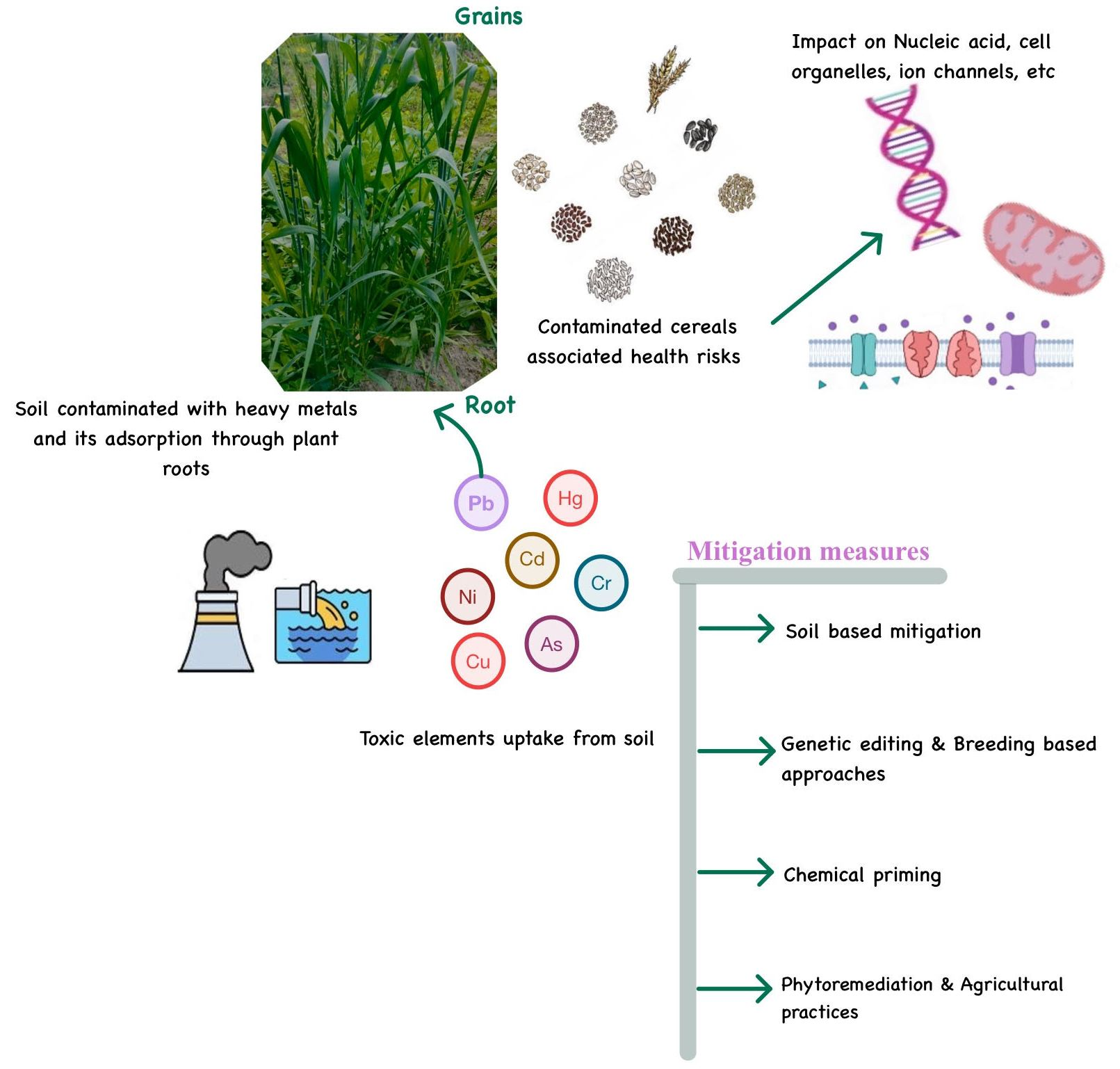
A new research perspective from scientists at Colorado State University and China's Guangdong Academy of Sciences offers a glimmer of hope against a silent threat: toxic metals like arsenic, cadmium, and mercury contaminating rice, a staple for over half the planet. Published in 'Nature Reviews Earth & Environment', their proposal focuses on cleverly changing soil chemistry and bolstering plant defenses to stop these dangerous elements from reaching the edible rice grains, bypassing costly and impractical soil removal methods. This isn't just an academic exercise; it's a critical intervention for global food security and public health. Industrial pollution, contaminated irrigation, and even natural soil conditions have led to these toxic metals accumulating in rice paddies worldwide, particularly in Asia. The World Health Organization has long flagged these metals as major health concerns, linking them to severe illnesses including various cancers, heart disease, and developmental issues in children. Previous efforts, including specific water management techniques and advanced genetic engineering, have shown promise but also presented significant trade-offs, like increasing one metal while decreasing another. The proposed strategy, which zeroes in on low to moderate contamination levels, involves chemical reactions using nutrient inputs to immobilize metals in the soil, alongside applying nanomaterials to reinforce plant barriers at the crucial flowering stage. The challenge now lies in rigorous field testing across diverse conditions and gaining widespread adoption by farmers globally. This breakthrough could redefine how we safeguard our most important food crop, but its success will hinge on collaborative action and innovative agricultural practices to ensure safer rice for future generations.