September 2026: World's Second-Hottest on Record Rings Climate Alarm Bells
Context mode is active. Hover over any highlighted term to see its definition. Click a nested term to go deeper.
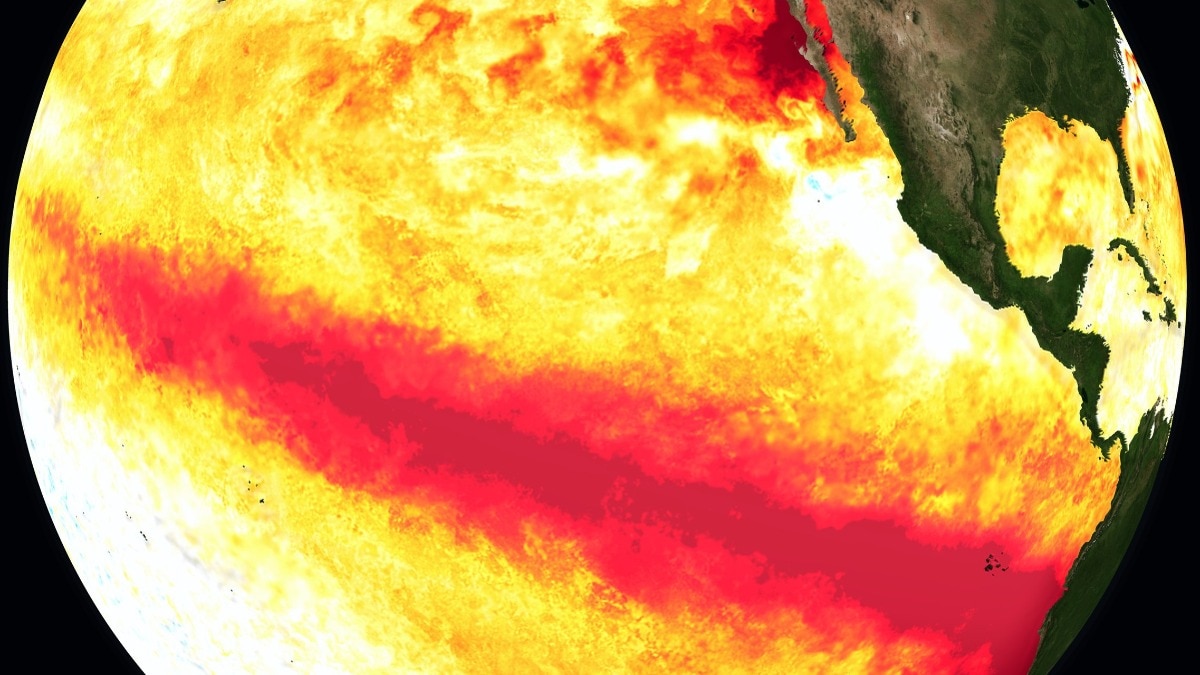
Hold onto your hats: September 2026 just clocked in as the world's second-hottest September ever recorded, according to the Copernicus Climate Change Service (C3S). This alarming data point, with global average surface air temperatures reaching 1.63 degrees Celsius above pre-industrial levels, marks the second consecutive month this year where we've breached the critical 1.5 degrees Celsius warming threshold set by the Paris Agreement. It's a stark reminder that the planet is heating up relentlessly, fueled by a powerful and intensifying El Niño event that scientists expect to peak later this year and continue into early 2027. The persistent heat isn't just a number; it's a symptom of accelerating global warming and has real-world consequences, from record-high ocean temperatures driving widespread marine heatwaves to unusually low Antarctic sea ice levels. The World Meteorological Organization (WMO) has already warned that this El Niño could be one of the strongest on record, adding to the warming already driven by human-caused climate change. This latest data puts even more pressure on global leaders, especially after the United Nations declared in September that the long-term 1.5 degrees Celsius target would likely be missed within years. Nations are still grappling with insufficient greenhouse gas emission reduction pledges, as highlighted in reports from the Intergovernmental Panel on Climate Change (IPCC). So, what's next? The current period of elevated temperatures is expected to stretch well into 2027 as El Niño peaks, bringing increased risks of extreme weather events like droughts, floods, and further heatwaves across the globe. The Copernicus director, Carlo Buontempo, grimly noted that crossing the Paris Agreement's long-term limit is 'only a matter of time,' emphasizing that how far we overshoot and for how long depends entirely on our collective action. All eyes will remain on international climate efforts and the urgent need for rapid decarbonization to mitigate the long-term impacts of this relentless warming trend.