Sikkim Fights GLOF Threat: Engineering Solutions Unveiled After NDMA Warning
Context mode is active. Hover over any highlighted term to see its definition. Click a nested term to go deeper.
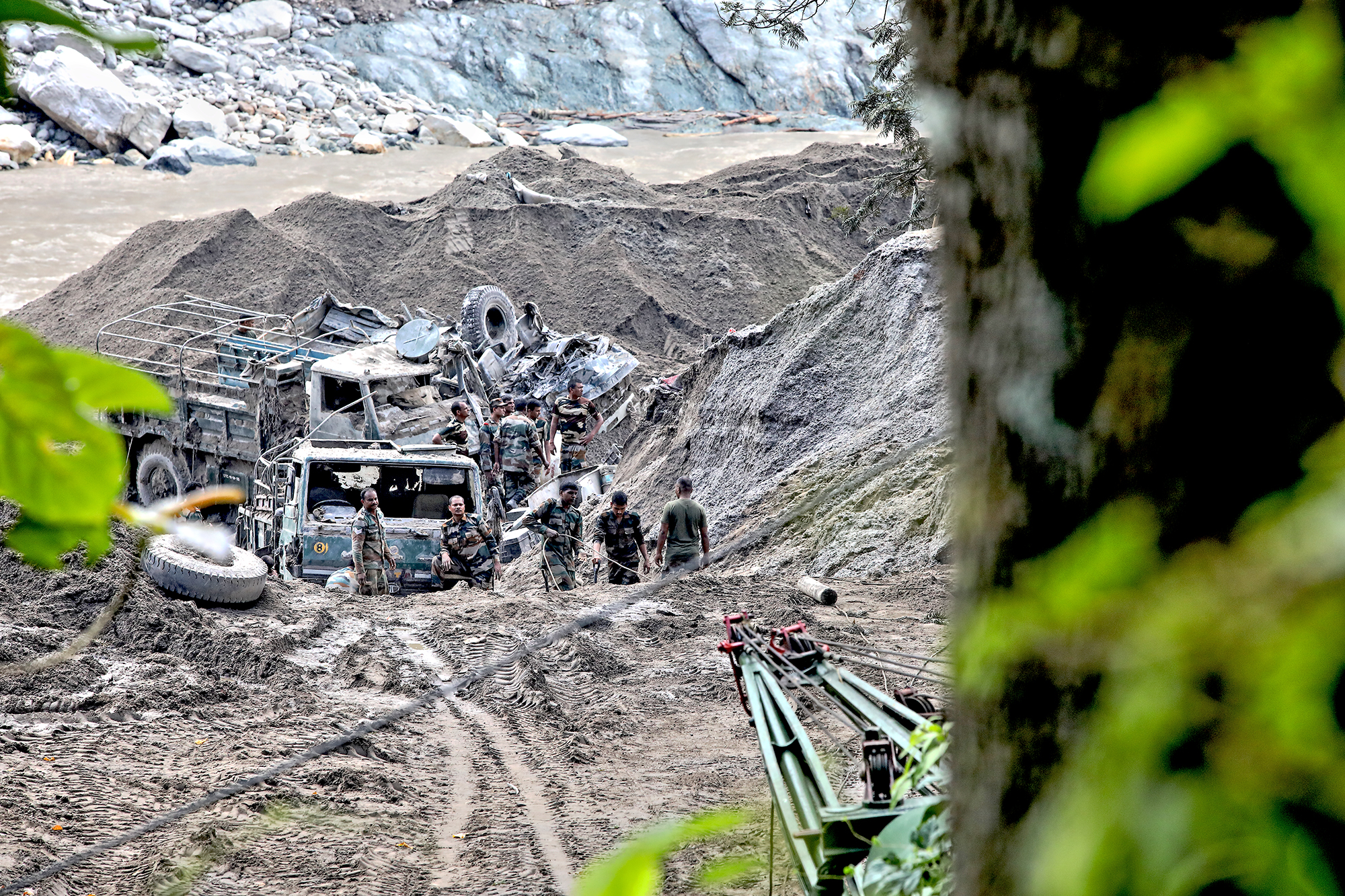
Sikkim is taking a decisive step against the looming threat of Glacial Lake Outburst Flood (GLOF), moving beyond mere risk assessment to implementing concrete engineering solutions following a critical warning from the National Disaster Management Authority (NDMA). With 40 high-hazard glacial lakes identified, including 16 deemed highly vulnerable, the state has proposed three major interventions at key locations. This proactive shift comes after the devastating South Lhonak GLOF in October 2023, which highlighted the urgent need for structural safeguards against these catastrophic natural disasters. At the heart of Sikkim new strategy are site-specific solutions: a solar-powered pumping system to reduce the water volume in the hazardous Shako Chho Lake, a flood-retention structure at Dolma Sampa in the Lhonak Valley to slow potential floodwaters, and a safety wall at the Gurudongmar Lake Complex to regulate discharge. These plans directly address the growing number and size of glacial lakes in the Sikkim Himalaya, which increased by 42% in number and 34% in area between 1990 and 2020 due to climate change, intensifying the risk to downstream communities and infrastructure. The proposed measures, supported by detailed project reports submitted to central agencies like the NDMA, Ministry of Jal Shakti, and the Central Water Commission, are designed not just to monitor, but to actively reduce the volume, speed, and destructive force of future GLOF events. Looking ahead, the success of these interventions hinges on robust implementation, coupled with ongoing scientific monitoring and early warning systems. Sikkim is expanding its network of Automatic Weather Stations (AWS) and other assessment technologies across vulnerable sites like Shako Chho, Kerang, and Dolma Sampa to provide real-time data. The state is also adopting a 'whole of government approach,' involving multiple departments, central agencies, academia, and local communities, especially for culturally significant sites like Gurudongmar. This integrated strategy aims to make Sikkim a leader in GLOF risk mitigation, offering a critical blueprint for other Himalayan regions facing similar climate-induced threats.