Silencing a Key Gene: New Hope in Understanding and Treating Oral Cancer
Context mode is active. Hover over any highlighted term to see its definition. Click a nested term to go deeper.
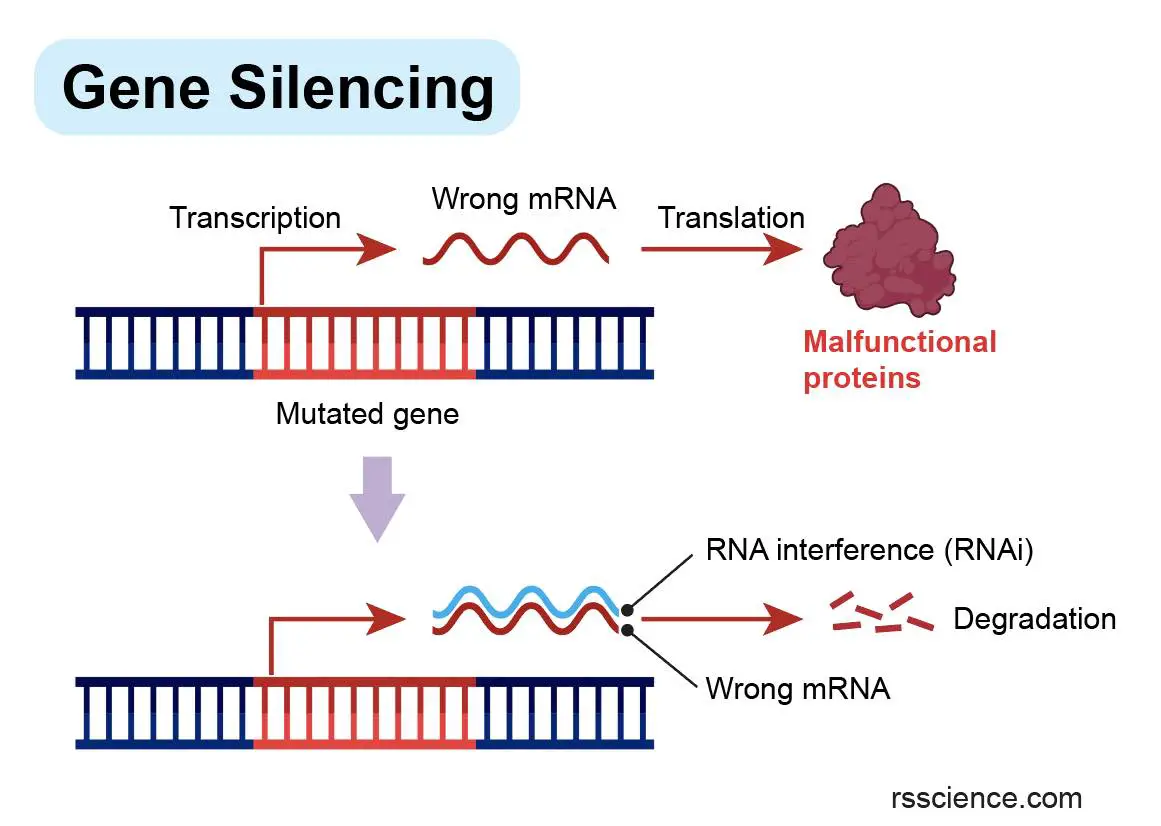
Scientists are making significant strides in understanding how a key gene, HOXA5, gets 'silenced' in oral cancer, revealing a critical mechanism that drives the disease. This recent understanding, backed by research as recent as early 2025, highlights that when HOXA5 is shut down through a process called DNA methylation, it plays a major role in the development of oral squamous cell carcinoma (OSCC), a common and aggressive form of oral cancer. This discovery isn't just about how cancer starts; it's opening new doors for better ways to detect and treat it, moving us closer to personalized medicine. The deregulation of HOX genes, including HOXA5, is now recognized as a prominent feature in various cancers, with studies in July 2025 emphasizing the multifaceted epigenetic mechanisms involved in oral cancer progression. When HOXA5, which normally acts as a tumor suppressor gene, is silenced, it prevents cancer cells from undergoing natural cell death, called apoptosis, and even makes chemotherapy less effective. Researchers have found that bringing back HOXA5 activity using special drugs called demethylating agents can increase cancer cell death and boost the power of existing treatments like cisplatin. This clearly shows the potential of focusing on epigenetic changes to fight cancer. Looking ahead, the focus is now on translating these insights into real-world solutions. Scientists are exploring the potential of HOXA5 hypermethylation as a biomarker for early detection of OSCC, meaning we could spot the cancer much earlier. Beyond that, the broader field of epigenetic-targeted therapies, including novel DNA methyltransferase (DNMT) inhibitors and advanced delivery methods like nanotechnology, are being rapidly developed to reactivate these silenced tumor suppressor gene and overcome drug resistance. The hope is that by precisely targeting these genetic switches, we can develop more effective and tailored treatments for patients battling oral cancer.