Silent Killer: Lung Cancer Surge Among Indian Non-Smokers Demands Urgent Action
Context mode is active. Hover over any highlighted term to see its definition. Click a nested term to go deeper.
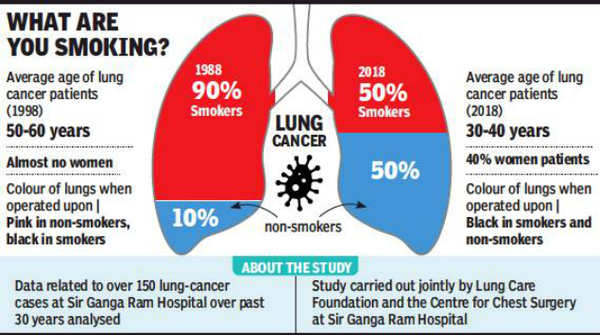
A concerning new health crisis is gripping India: lung cancer, once thought to primarily affect smokers, is now tragically claiming the lives of a growing number of non-smokers, especially women and younger adults. Recent data reveals it has tragically become the country's deadliest cancer, surpassing all other malignancies in mortality despite not being the most common in incidence. This alarming shift is forcing doctors and policymakers to rethink traditional perceptions of lung cancer and its causes. The unexpected surge is largely attributed to a complex interplay of environmental factors and genetic vulnerabilities. Severe outdoor air pollution from vehicular emissions and industrial activity, alongside pervasive indoor air pollution from biomass fuel combustion in poorly ventilated kitchens, are significant culprits. These pollutants can 'awaken' dormant cancer-causing genetic mutations like EGFR, which are notably prevalent in Indian populations, making non-smokers more susceptible to the disease. The problem is compounded by late diagnoses, as symptoms are often mistaken for common respiratory ailments such as asthma, delaying crucial treatment until the cancer reaches advanced stages. This alarming trend necessitates a multi-pronged approach: urgent public awareness campaigns are needed to highlight the diverse risk factors beyond smoking and encourage early screening for persistent coughs or breathlessness, regardless of smoking history. Furthermore, stricter environmental regulations to curb air pollution and initiatives promoting cleaner cooking fuels are critical. Advances in molecular profiling and targeted therapies offer hope, but broad societal changes are essential to mitigate this escalating public health threat and ensure better outcomes for those silently afflicted.