Silent Threat: Arthritis Patients Face Hidden, Deadly Lung Disease Risk
Context mode is active. Hover over any highlighted term to see its definition. Click a nested term to go deeper.
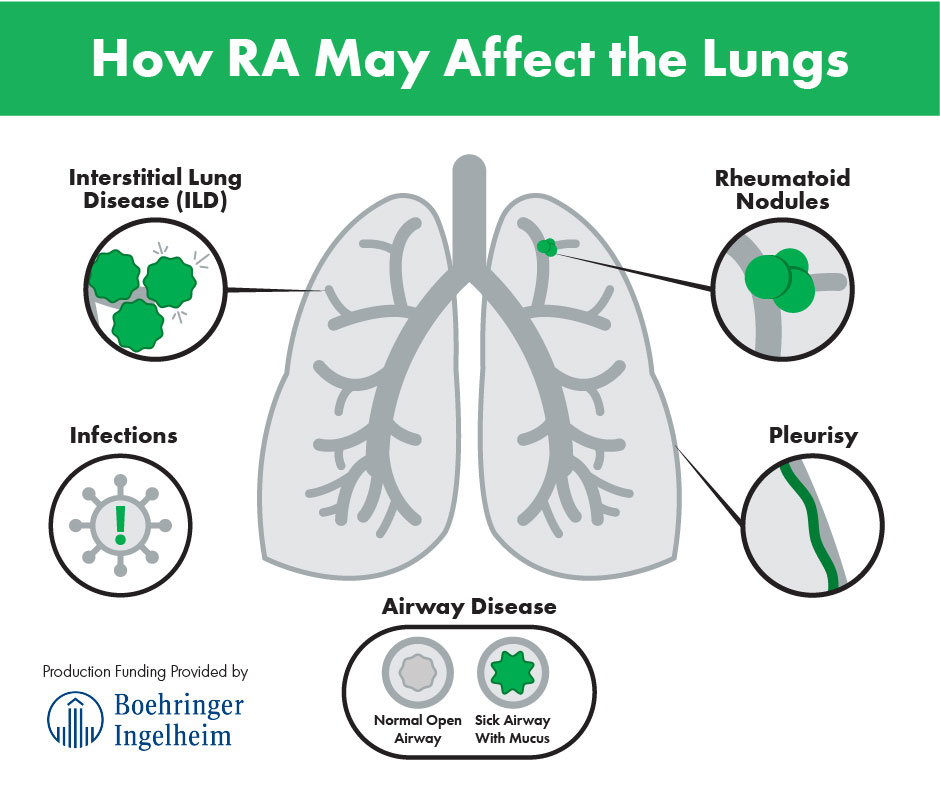
Thousands of people living with rheumatoid arthritis (RA) are facing a serious, often hidden danger: a deadly lung condition known as rheumatoid arthritis-associated interstitial lung disease (RA-ILD). Recent studies and updated international guidelines, including the 2025 ERS/EULAR recommendations, highlight that this complication, causing severe lung scarring and inflammation, is a leading cause of death for RA patients, with estimates suggesting it affects 10-20% of them. The latest research points to key risk factors like older age, male sex, smoking history, and high RA disease activity, which demand closer attention for early detection. The challenge lies in RA-ILD tricky symptoms, which are often non-specific, making early diagnosis tough until significant lung damage occurs. However, advances in diagnostic tools, like high-resolution CT (HRCT) scans and the use of artificial intelligence to analyze them, alongside emerging blood biomarkers, are offering a clearer path. This push for better screening is critical, as early intervention with therapies like antifibrotic drugs can potentially slow down the disease progression, addressing a major unmet need in patient care where lung damage is often irreversible by the time it's found. Looking ahead, new clinical practice guidelines from bodies like the ACR/CHEST in 2023 and ERS/EULAR in 2025 are pushing for targeted screening of high-risk RA patients, moving away from a 'one-size-fits-all' approach. Ongoing research, including studies funded by organizations like the Arthritis Foundation, is focused on finding even better prediction models and cellular biomarkers to identify RA-ILD earlier and develop more effective, personalized treatments. This shift aims to equip doctors with the tools to spot this silent killer sooner, ultimately improving the lives and longevity of countless arthritis patients.