Silent Threat: Why Low Blood Sugar Poses Grave Dangers for Older Adults
Context mode is active. Hover over any highlighted term to see its definition. Click a nested term to go deeper.
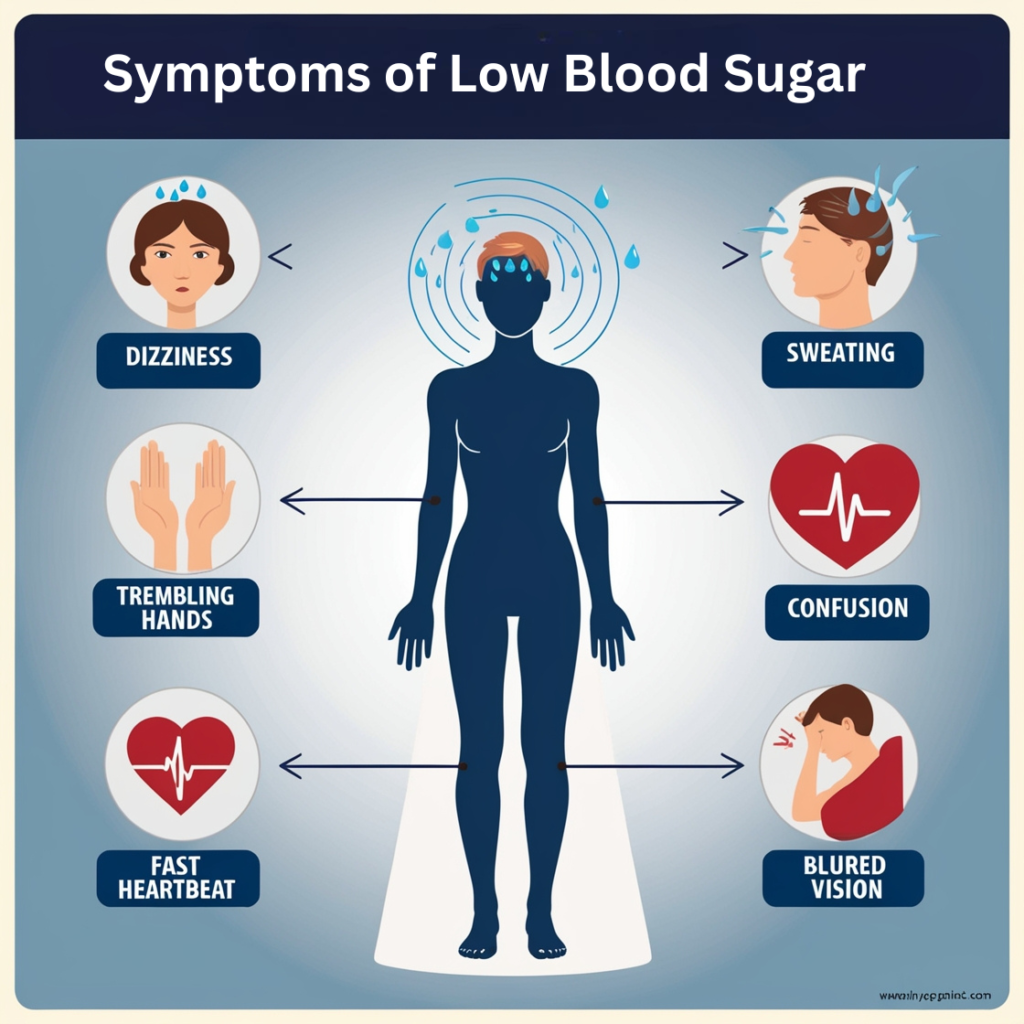
A sudden drop in blood sugar, known as hypoglycemia, can quickly turn into a medical emergency for older adults, experts warn. This is because the brain needs a steady supply of glucose to work properly, and when blood sugar levels fall too low, brain function can rapidly worsen, leading to confusion, seizures, unconsciousness, and even death. Several factors common in older age, like kidney problems or taking many medicines, make it harder for their bodies to recognize or correct these dangerous drops. With over a quarter of older Americans having diabetes, and many using medications that can cause low blood sugar, the stakes are incredibly high. Repeated severe low blood sugar episodes are linked to a faster decline in thinking abilities, an increased risk of dementia, and a general weakening of the body, known as frailty. Doctors also note a worrying 'vicious cycle' where dementia can actually make it harder for older adults to manage their diabetes, leading to even more hypoglycemic events. To tackle this growing concern, current health guidelines emphasize creating personal blood sugar goals and using technology like Continuous Glucose Monitoring (CGM) to keep track of levels. Simplifying medication plans and avoiding too much treatment are also key steps to reduce the risk for vulnerable older patients. Experts hope these focused strategies will help prevent severe low blood sugar episodes and protect the health and independence of older adults worldwide.