Small Businesses Strike Back: New Lawsuits Challenge Trump's Sweeping Tariffs
Context mode is active. Hover over any highlighted term to see its definition. Click a nested term to go deeper.
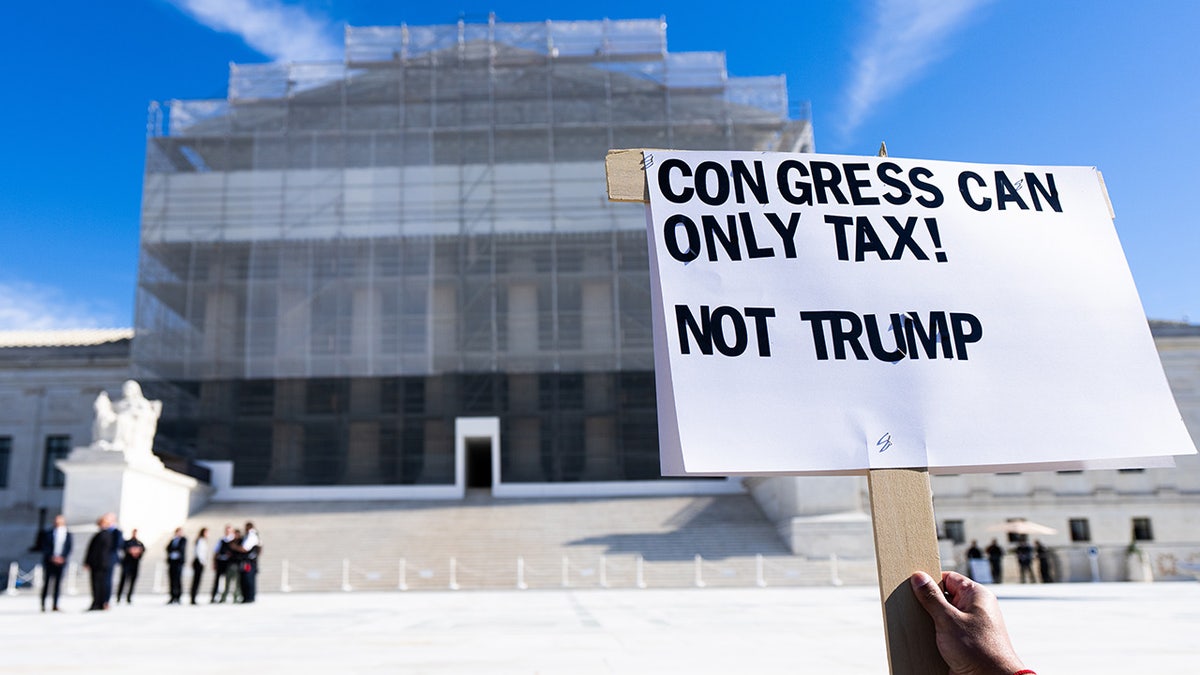
Just hours after President Donald Trump new, sweeping tariffs on nearly all U.S. imports kicked in, small businesses across the country are fighting back, filing multiple lawsuits to challenge the legality of these fresh levies. These double-digit duties, impacting 60 trading partners, went live on Friday, July 25, 2026, replacing temporary tariffs that had just expired. Critics are quick to point out that these new tariffs seem like a quick workaround after the Supreme Court struck down Trump's previous global import taxes just five months ago. At the heart of the legal battle is the Trump administration's use of Section 301 of the Trade Act of 1974, which they claim is to combat 'forced labor' imports. However, the lawsuits argue that the government hasn't properly explained its case against each country or detailed how these tariffs will actually stop forced labor, a key requirement of Section 301. This latest move follows the Supreme Court February 2026 decision that ruled Trump's earlier 'Liberation Day' tariffs — imposed using the International Emergency Economic Powers Act (IEEPA) — were illegal. Companies like educational toy maker Learning Resources, who won against the administration in the Supreme Court case, are among those leading the new charge in the Court of International Trade. Experts believe these new Section 301 tariffs might be harder to overturn in court, unlike the previous ones, given that similar tariffs on China in Trump's first term survived legal challenges. The Liberty Justice Center, a legal advocacy group, is representing the businesses, arguing that a noble goal like fighting forced labor doesn't give the government a pass to ignore legal procedures. As businesses grapple with increased costs and economic uncertainty, the legal fight will likely be a drawn-out process, with the potential for these tariffs to remain 'for the long haul' and continue affecting everyday Americans.